What Is a Ball Bearing? The Difference Between a Ball Bearing and a Roller Bearing — The Definitive Guide
What is a ball bearing, its relationship to the term “bearing,” the most common types, and how to order it correctly in Mexico to ensure you always receive the right part.
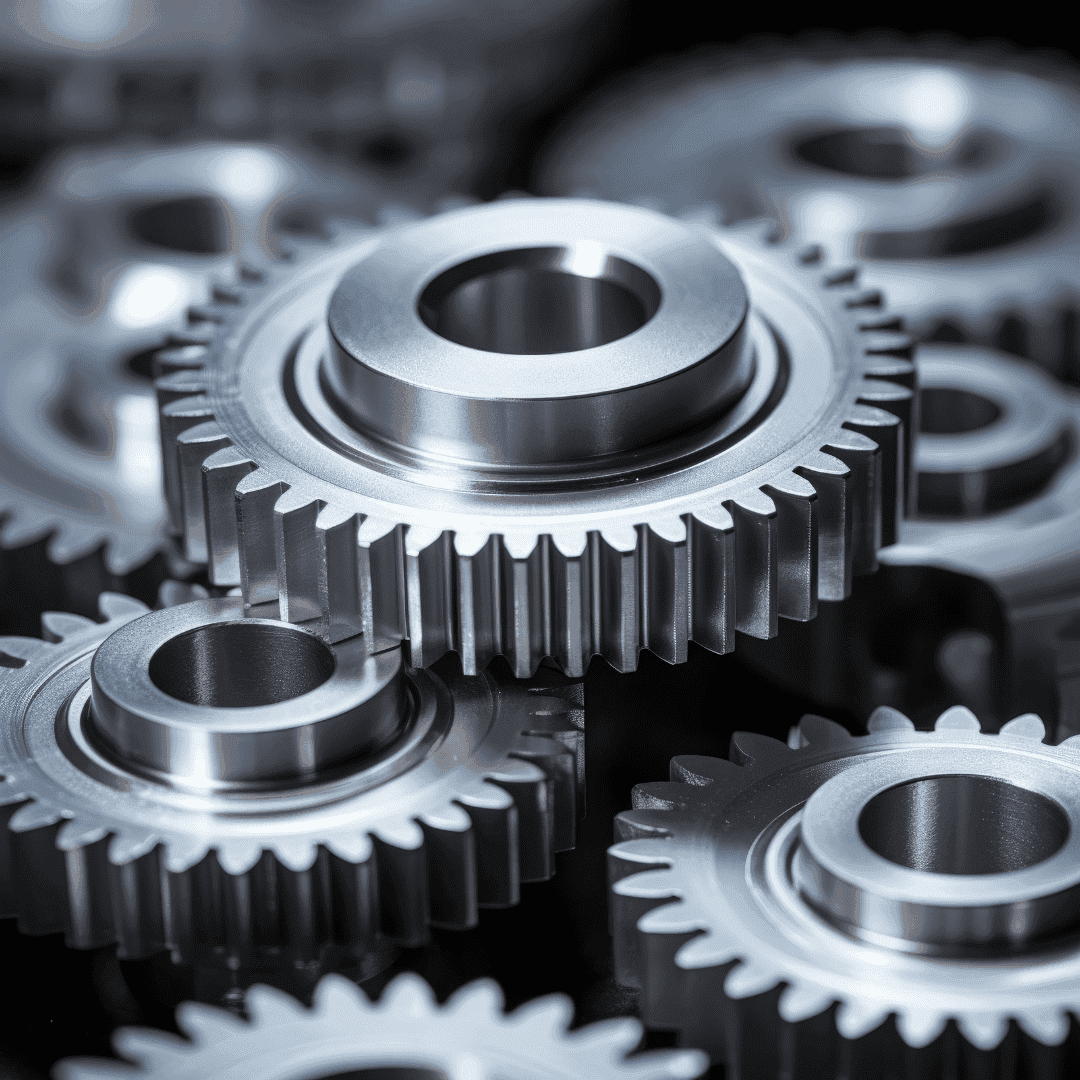
In Mexican workshops, “balero” is an everyday term. But is it the same thing as a bearing? Is there a real technical difference, or is it just a matter of what you call it? And, above all, how do you order it correctly so you don’t receive the wrong part? Here, we’ll explain it clearly, covering the most common types and how to specify a balero without any ambiguity.
Bearing or roller bearing?
In Mexican industrial practice, “balero” and “rodamiento” are used interchangeably. There is a technical difference: strictly speaking, “balero” refers to a ball bearing, while “rodamiento” is the general technical term that also encompasses roller bearings, needle bearings, tapered roller bearings, etc. In everyday factory language, however, “balero” is used to refer to any type of bearing. What matters is not what it’s called, but specifying it correctly.
Most Common Types of Ball Bearings
Full-complement ball bearings. The most common type; used in motors, pumps, and fans. Angular contact bearings. Withstand axial thrust; used in compressors, high-pressure pumps, and spindles. Tapered roller bearings. Combined loads; transmissions, wheel hubs (Timken is the industry standard). ‘Needle’ bearings. Very thin radially, high load capacity in a small space; gearboxes, compressors, lever mechanisms. ‘Self-aligning’ or ‘spherical’ bearings. Compensates for angular misalignment; conveyor belts, large fans, agricultural machinery.
How to Order a Balero Correctly
The most common mistake is providing incomplete information. To receive the correct part, provide one of these three pieces of information, listed from most to least precise: 1. The complete part number. This is the fastest and most accurate option. Example: 6205-2RS C3 (ISO metric system) or 30205 (tapered roller). It is engraved on the outer ring, in the machine manual, or on your most recent invoice. 2. The dimensions. Inner diameter × outer diameter × width (example: 25 × 52 × 15 mm), plus the type (balls or rollers) and the seal. 3. The equipment description. “The bearing on the drive side of the 15 HP WEG motor on line 3” is enough for an experienced distributor to identify the bearing by consulting the technical data sheet.
Common Mistakes When Ordering
Don't just ask for “a ball bearing” without providing more details: the distributor can’t guess the size. Don’t assume that all ball bearings with the same base code are the same: the precision class, seal type, internal clearance, and cage material can vary within the same part number (which is why an open 6205 isn’t the same as a 6205-2RS C3). And if you’re switching brands, make sure the suffix is exactly the same.
Why does the correct specification matter?
Receiving the wrong ball bearing means a wasted trip, an extended downtime, or worse yet installing a component with improper clearance or sealing that fails within weeks. The three methods above part number, dimensions, or equipment description eliminate that ambiguity. At BIOSA, we ask the right questions when the information is incomplete: inner diameter, seal type, balls or rollers, and previous brand.
In Mexican practice, “balero” and “bearing” are synonymous in most contexts. Technically speaking, “balero” strictly refers to ball bearings, but what matters most is specifying the part correctly: the complete part number, dimensions, or equipment description are the three ways to ensure you receive the correct component. At BIOSA MOTION TECHNOLOGIES, we speak the language of your plant and guarantee that the bearing you receive is the right one for your equipment.
Contact us on WhatsApp
Do you need bearings for your plant that are available immediately? Our engineers will help you select the right ones at no cost. We carry Timken, NACHI, Fersa, RBC, IBC, and ITA bearings in stock in Guadalajara, Aguascalientes, León, Querétaro, Monterrey, Hermosillo, and Puebla.