

The 5 axes of a CNC machine: what they are and how they move
CNC Machine Axes Explained: The X, Y, and Z Linear Axes and the A, B, and C Rotational Axes. What Are 3-Axis and 5-Axis CNC Machines, and What Role Do Linear Guides Play in Each?
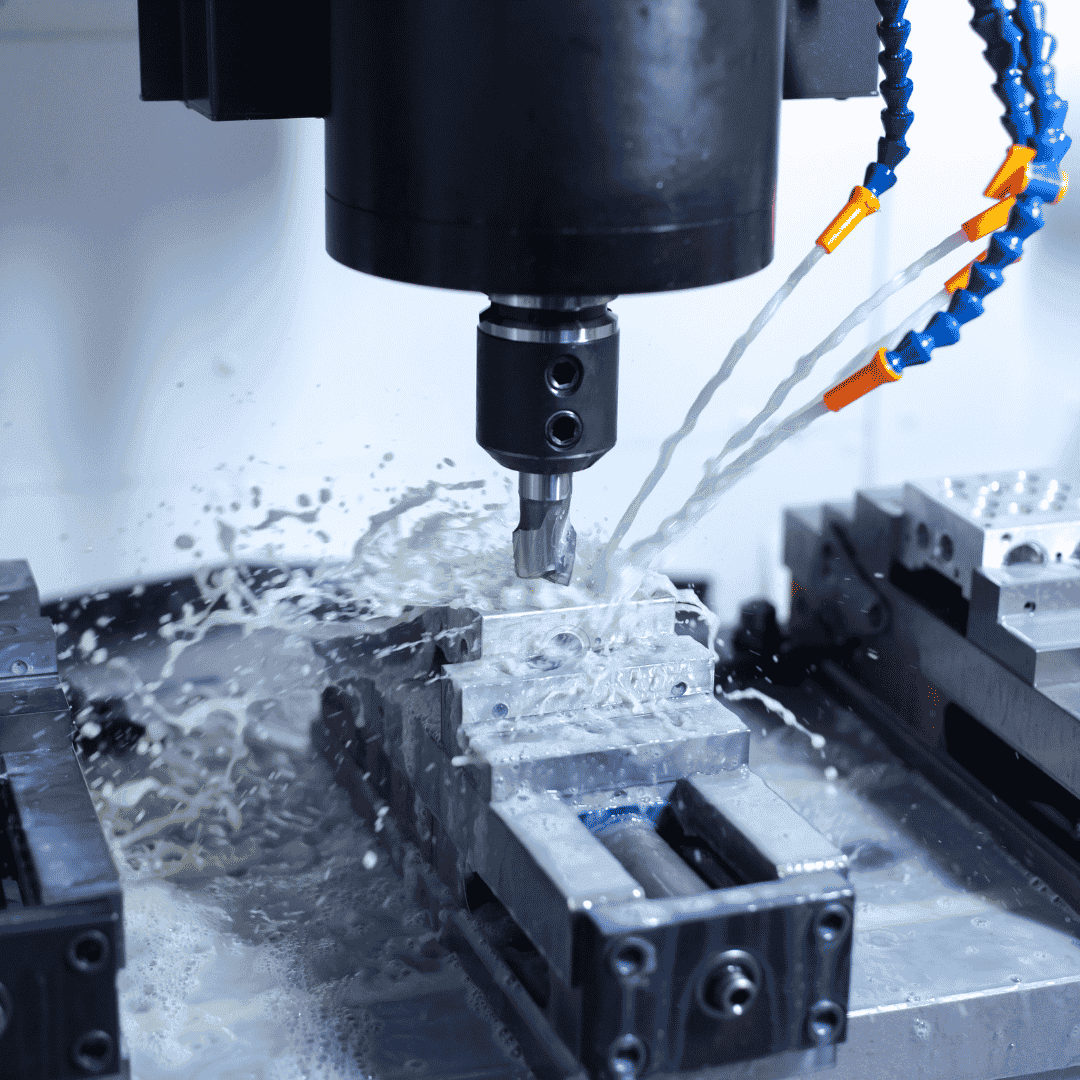
When people talk about a “3-axis” or “5-axis” CNC machine, they are referring to how many independent directions of movement the machine has. These axes are the foundation of everything a CNC machine can produce, and each linear axis is built on linear guides. Understanding them clarifies how modern machining works. Here, we explain the axes of a CNC machine, the difference between 3-axis and 5-axis systems, and the role of linear guides in each.
What is an axis on a CNC machine?
Lorem ipsum dolor sit amet, consectetur adipiscing elit, sed do eiusmod tempor incididunt ut labore et dolore magna aliqua. Ut enim ad minim veniam, quis nostrud exercitation ullamco laboris nisi ut aliquip ex ea commodo consequat. Duis aute irure dolor in reprehenderit in voluptate velit esse cillum dolore eu fugiat nulla pariatur. Excepteur sint occaecat cupidatat non proident, sunt in culpa qui officia deserunt mollit anim id est laborum.
The three linear axes: X, Y, Z
Lorem ipsum dolor sit amet, consectetur adipiscing elit, sed do eiusmod tempor incididunt ut labore et dolore magna aliqua. Ut enim ad minim veniam, quis nostrud exercitation ullamco laboris nisi ut aliquip ex ea commodo consequat. Duis aute irure dolor in reprehenderit in voluptate velit esse cillum dolore eu fugiat nulla pariatur. Excepteur sint occaecat cupidatat non proident, sunt in culpa qui officia deserunt mollit anim id est laborum.
The three axes of rotation: A, B, C
In addition to the linear axes, an advanced CNC machine adds rotational axes: A (rotation around the X-axis), B (rotation around the Y-axis), and C (rotation around the Z-axis). These axes allow the tool or workpiece to be tilted or oriented, enabling the machining of complex surfaces from different angles without manually repositioning the workpiece.
3-Axis CNC vs. 5-Axis CNC
A 3-axis CNC machine moves the tool along the X, Y, and Z axes: this is sufficient for most milling, drilling, and contouring of prismatic parts. A 5-axis CNC adds two rotary axes (typically A and C, or B and C) to the three linear axes, allowing the tool to be oriented at almost any angle. This enables the machining of complex geometries—such as turbine blades, molds, and implants—in a single setup, with improved surface finish and precision.
The role of linear guides on each axis
Each linear axis (X, Y, Z) is built on linear profile guides that define its path and support the load, plus a spindle that drives the feed. The precision of the final part depends directly on the quality of these axes’ guides: if a guide has play or wear, that error is transferred to the part. That is why precision CNC machines specify high-grade profile guides (such as HIWIN’s HG and RG series) with proper preload. Rotary axes use other systems (rotary tables, precision bearings).
Why the Quality of the Guides Defines the Machine
In a CNC machine, the accuracy, rigidity, and repeatability of each linear axis depend on its guides and spindle. A machine with low-quality guides loses precision over time, vibrates during cutting, and limits the quality of the finish. That is why, when building or retrofitting a CNC machine, the guides are not a component to skimp on: they determine what the machine is capable of.
The axes of a CNC machine three linear (X, Y, Z) and up to three rotary (A, B, C) define the geometries the machine can produce, and each linear axis is built on linear guides that determine its precision. For machines with 3 to 5 axes, the quality of the guides is what ensures accuracy. At BIOSA MOTION TECHNOLOGIES, we offer HIWIN guides and leadscrews for building or refurbishing precision CNC axes. To see what components make up an axis, check out our article on CNC axis components.