Predictive Maintenance of Bearings: Vibration, Temperature, and Ultrasound
How to Implement Predictive Maintenance for Bearings Using Vibration Analysis, Temperature Monitoring, and Ultrasonic Inspection. Failure Rates, Tools, and a Practical Plan.
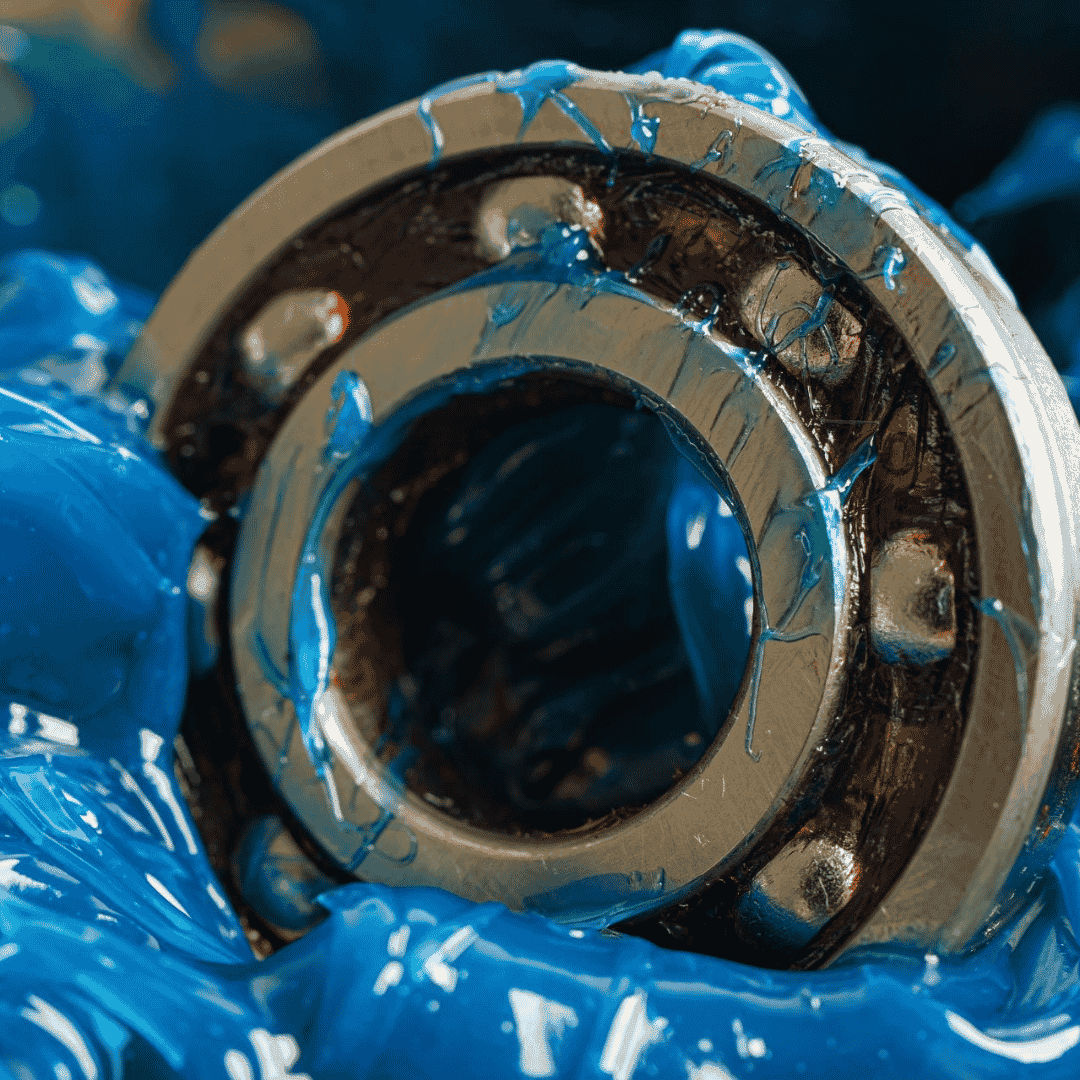
The difference between replacing a bearing as planned and suffering a shutdown due to catastrophic failure lies in detecting deterioration early. Predictive maintenance does exactly that: it monitors signals that indicate an impending failure weeks in advance. Here, we explain the three most effective techniques for monitoring bearings vibration, temperature, and ultrasound and how to combine them into a practical plan, even if you’re not an expert.
Why Predictive Maintenance Is Ideal for Bearings
Bearings fail in detectable stages (as we saw in the article on consequences): subsurface damage, then ultrasonic damage, then vibration-induced damage, and finally thermal damage. Each stage emits a characteristic signal, making the bearing one of the components where predictive maintenance yields the best return: the window between the first detectable signal and failure can span weeks.
Technique 1: Vibration Analysis
This is the most comprehensive technique. A damaged bearing generates vibrations at specific frequencies that reveal where the damage is located: BPFO (elements passing over the outer race): damage to the outer race. BPFI (elements passing over the inner race): damage to the inner race. BSF (rotation of the rolling element): damage to a ball or roller. FTF (cage frequency): damage or wear to the cage. A vibration analyzer detects these frequencies and allows you to identify the damaged component before the noise becomes audible. To get started without being an expert, simply measure the overall vibration level periodically and monitor the trend: a sustained increase is a warning sign.
Technique 2: Temperature Monitoring
A well-lubricated and properly loaded bearing operates at a moderate temperature. The normal temperature depends on the equipment, but a sustained increase above the baseline is a sign of a problem. Above a certain threshold (often in the range of 70–80 °C at the surface, depending on the equipment and lubricant), it is advisable to investigate. Causes of elevated temperature: recent excess lubricant (which subsides within 1–2 hours), depleted lubricant, excessive preload, overload, or speed exceeding the limit. Temperature is measured using an infrared thermometer or fixed sensors, always at the same point to compare trends. Other causes unrelated to the bearing: seal friction, eddy currents, or motor problems.
Technique 3: Ultrasonic Inspection
It is the earliest detection technique: it detects the high-frequency micro-impacts that cause the first surface cracks, before they become apparent in standard vibration or temperature readings. Its key advantage is this early detection: it provides the widest window for planning a replacement. In addition, ultrasound detects insufficient lubrication the ultrasonic level drops when lubrication is needed and stops dropping when it is sufficient making it useful for applying the correct amount of lubricant without over-lubricating. It is used with a contact ultrasonic detector.
How to Prioritize Teams
Not all equipment warrants the same level of monitoring. Prioritize by criticality: equipment whose failure halts production or jeopardizes safety warrants ultrasound and vibration spectrum monitoring; backup or non-critical equipment can be monitored using temperature and overall vibration levels. The key is the trend, not the isolated value: recording and comparing data over time is what helps anticipate failure.
Predictive maintenance turns bearing failure from an unexpected event into a planned replacement. Vibration, temperature, and ultrasound work together: ultrasound anticipates the problem, vibration pinpoints the damage, and temperature confirms it. Implementing this even in a basic way with trend monitoring pays for itself by preventing just one unscheduled shutdown. At BIOSA MOTION TECHNOLOGIES, we advise you on putting together a plan and have the replacement parts ready when it’s time for a replacement.
Contact us on WhatsApp
Do you need bearings for your plant that are available immediately? Our engineers will help you select the right ones at no cost. We carry Timken, NACHI, Fersa, RBC, IBC, and ITA bearings in stock in Guadalajara, Aguascalientes, León, Querétaro, Monterrey, Hermosillo, and Puebla.