

Linear Guides for Food and Beverage Applications: Hygienic, Stainless Steel, and NSF H1 Certified
Linear Guides for Food and Beverage Applications: Why Stainless Steel, NSF H1 Lubricant, and Reinforced Sealing Are Required, and Why HIWIN's MG Series Is the Gold Standard for Sanitary Applications.
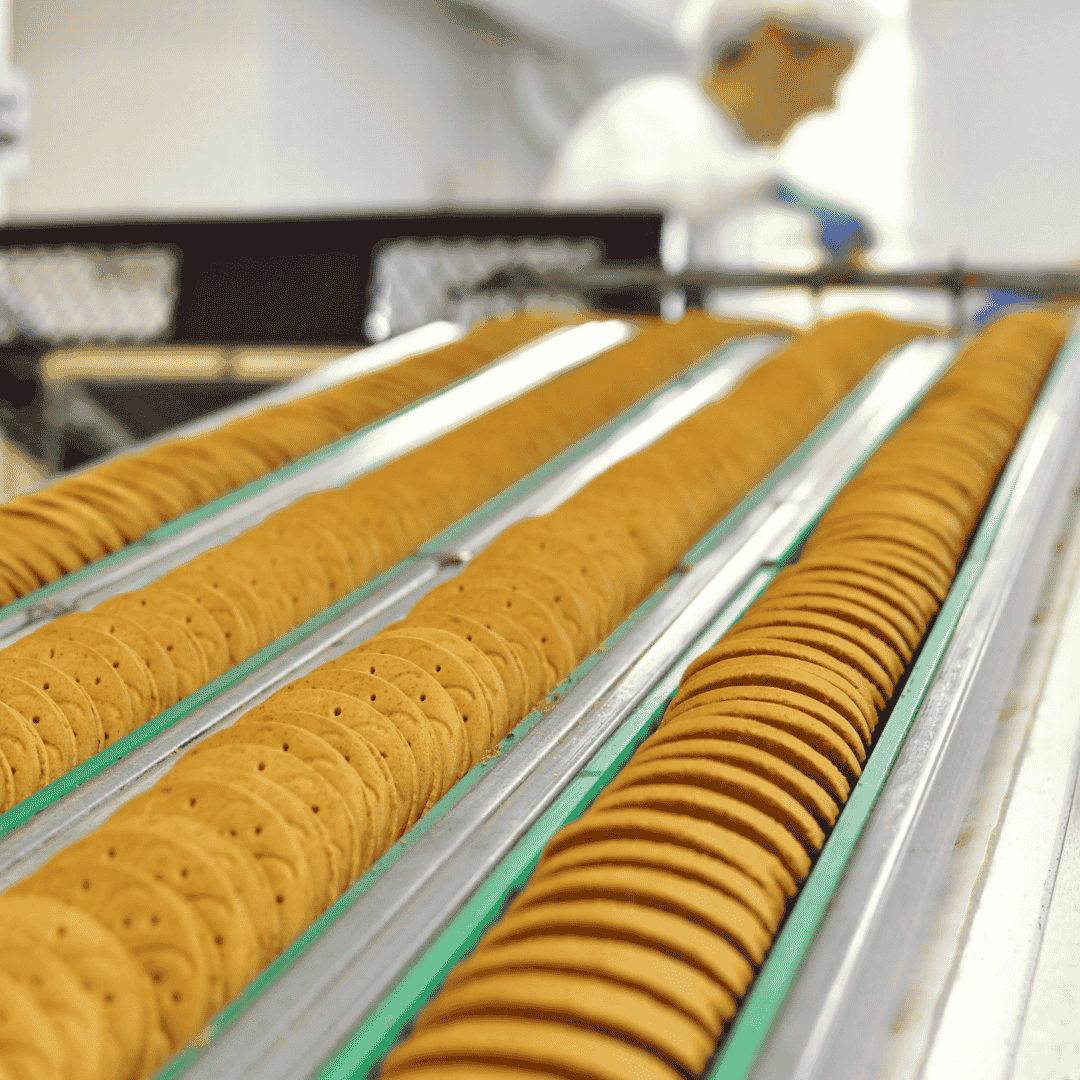
In the food and beverage industry, a standard chrome steel linear guide corrodes within weeks: washing with hot water and detergents, constant humidity, and sanitation requirements call for different components. Using the wrong guide leads to corrosion, contamination, and the risk of regulatory noncompliance. Here we explain what the food industry requires and why HIWIN’s MG stainless steel series, with NSF H1-approved lubricant, sets the standard.
Why the Standard Guide Doesn't Work
Conventional chrome steel guides are designed for general manufacturing. In a food production line, they are subjected to high-pressure washing with hot water and chemicals (CIP/COP), continuous moisture, and the requirement that contaminants not migrate into the product. Chrome steel rusts, and industrial grease is not suitable for incidental contact with food. The result: corrosion, failures, and health risks.
Requirement 1: Stainless steel material
Stainless steel is required in areas that come into contact with products, as it resists corrosion from washing and chemical cleaning. HIWIN’s MG series is manufactured entirely from special stainless steel including the rail, block, balls, and retainers which provides built-in corrosion resistance without coatings that could be damaged and expose the steel. It is the natural choice for food-processing environments.
Requirement 2: Food-grade lubricant (NSF H1)
Standard industrial grease is not approved for food contact. An NSF H1-certified lubricant is required, formulated with base stocks approved for incidental contact and free of heavy metals. This lubricant protects the guide while maintaining compliance with health and safety regulations. Using industrial grease in a product area constitutes a serious safety violation.
Requirement 3: Reinforced seal and hygienic design
The seals must prevent the entry of water and washwater residue, and the design must avoid areas where product or bacteria can accumulate. Reinforced seals are used, and, where possible, geometries that facilitate cleaning and drainage. In intensive washdown applications, protection against the ingress of pressurized water is critical.
Applicable Regulations
The industry is governed by frameworks that are important to understand: the FDA regulates materials that come into contact with food; NSF certifies lubricants (H1 for incidental contact) and materials; and local food hygiene regulations establish the principles of sanitary line design. Specifying certified materials and lubricants is not optional—it is part of compliance.
The food industry does not allow general-purpose linear guides in product zones: it requires stainless steel, NSF H1-certified lubricants, and reinforced seals made from certified materials. HIWIN’s MG stainless steel series is the industry standard for this environment. At BIOSA MOTION TECHNOLOGIES, we supply the MG series and food-grade lubricants for your food and beverage production lines. For the pharmaceutical industry, which has even stricter requirements, check out our article on pharmaceutical linear guides.