

Linear Guide vs Traditional Sliding Way: Which One Suits Your Machine
Linear guide vs traditional sliding way: differences in precision, load, speed, cost, and maintenance, with a table and clear criteria to decide which suits your application.
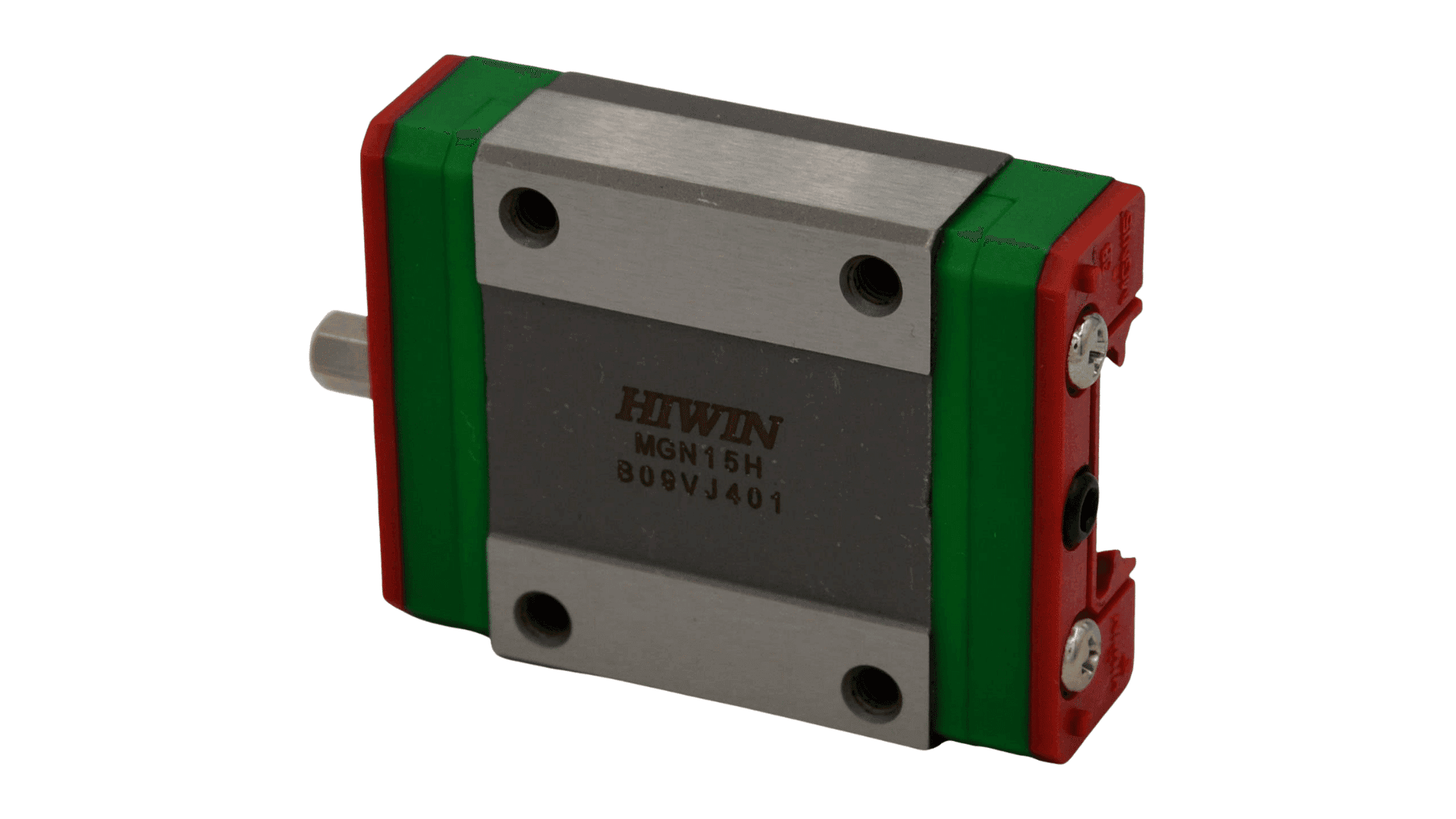
When designing or reconditioning a machine, the question comes up: recirculating linear guide or traditional sliding way? Both move a load in a straight line, but they do it differently and with very different results in precision, life, and cost. This article compares the two options head to head and gives you the criteria to decide according to your application, without falling into the trap of choosing by habit or by price.
The underlying difference
The traditional sliding way moves the load by sliding: two surfaces drag over one another, sometimes with a bushing or low-friction coating. The linear guide moves it by rolling: balls or rollers roll between rail and carriage. That change, from sliding to rolling, is the source of all the other differences.
Precision
The linear guide wins clearly. It is made to micron tolerances and accepts preload to eliminate play, giving high repeatability. The sliding way has inherent play that also grows with wear, degrading precision over time. If your application measures the part in hundredths or thousandths, the linear guide is the option.
Load capacity and rigidity
It depends on the type. Profile guides (ball or roller) offer high rigidity in all four directions. A well-sized sliding way can carry high loads but with less rigidity against overturning moments. For very heavy loads with impact, roller guides (HIWIN RG series) or robust ROLLON solutions outperform the classic sliding way.
Speed
The linear guide allows higher speeds and accelerations without overheating or excessive wear, thanks to low friction. The sliding way is limited sooner by the heat of sliding.
Cost and maintenance
The sliding way usually has a lower initial cost and simpler construction. The linear guide costs more upfront, but its calculable service life and lower wear reduce total cost over time, especially in critical applications where a stop costs more than the price difference of the component.
How to decide
Choose a linear guide if your priority is precision, repeatability, speed, or predictable service life, which is the case for CNC, robotics, automation, and inspection. Consider a sliding way or dirt-tolerant guides if the load is low, budget is the deciding factor, or the environment is so dirty or humid that a ball system would trap contaminants. For that last case, ROLLON self-aligning guides (Compact Rail) or aluminum guides (Speedy Rail) offer a middle ground: more tolerance to dirt than the profile guide, more precision than the simple sliding way.
Linear guide and sliding way are not the same solution at a different price: they answer different priorities. The linear guide dominates where precision, speed, and predictable life matter; the sliding way and dirt-tolerant guides keep their place in low loads and hostile environments. At BIOSA MOTION TECHNOLOGIES we help you choose with the HIWIN and ROLLON ranges. To see all the options, check our guide on types of linear guides.
1. HIWIN, Linear Guideways (official product page) https://hiwin.com/products/linear-guideways/ 2. ROLLON, Compact Rail (official product page) https://www.rollon.com/usa/en/product/compact-rail/