

Correct Tightening Torque for an Industrial Coupling
Applying too much or too little tightening torque to a coupling has direct consequences on its performance. Here we explain why the tightening torque is not an arbitrary value.
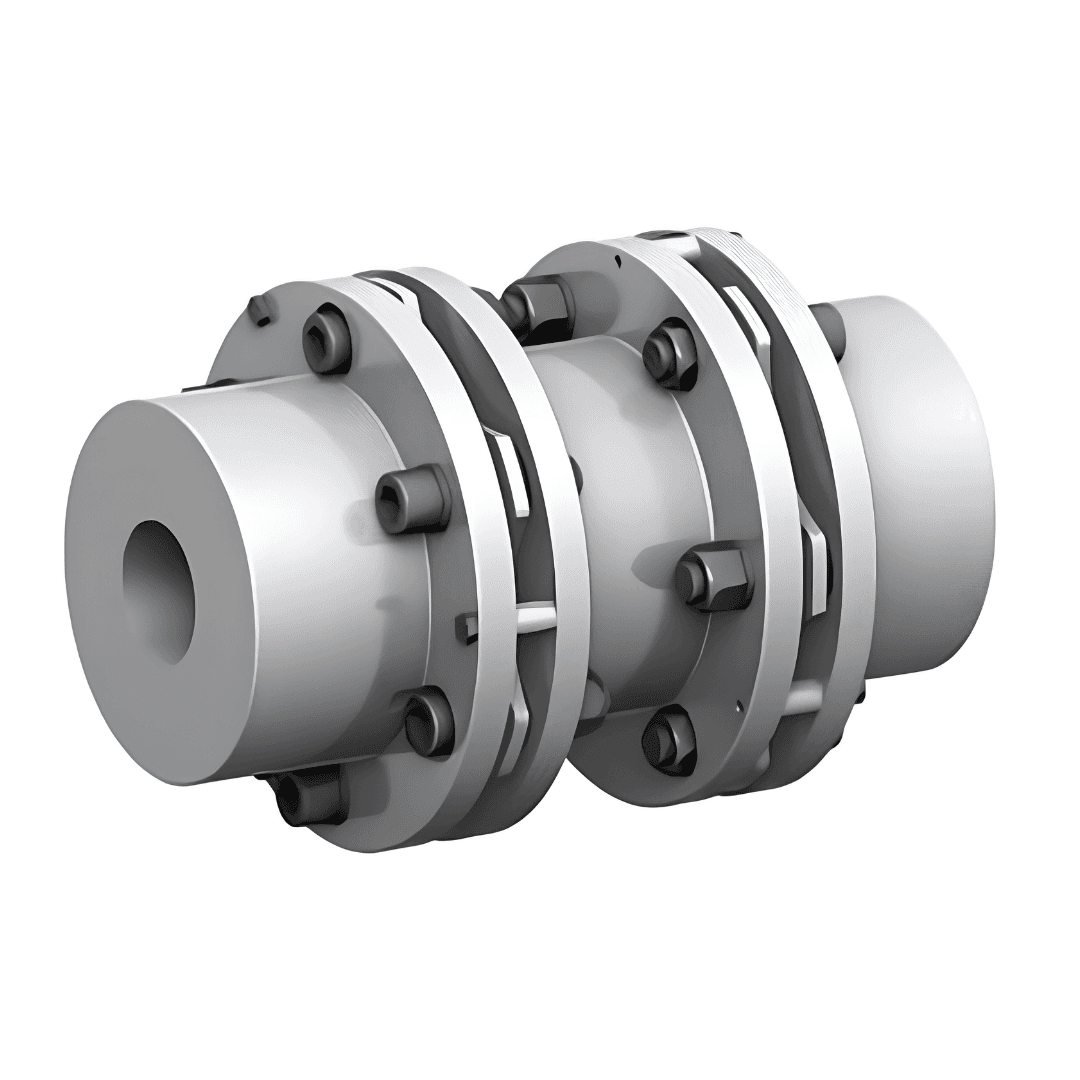
Why Tightening Torque Is as Important as Operating Torque
The tightening torque is the force applied to the set screw or clamping bolts that secure the coupling hub to the shaft. Each manufacturer specifies a recommended tightening torque for every coupling size, typically expressed in lb-in (pound-inches) or N·m (newton-meters). This value is not arbitrary—it is calculated to provide sufficient friction between the hub and the shaft without damaging the screw threads or deforming the hub material.
Consequences of Incorrect Tightening Torque
Insufficient tightening torque: The hub may slip on the shaft under load, causing bore wear, loss of torque transmission, and, in severe cases, permanent shaft damage. Excessive tightening torque: It can deform the hub, damage the screw threads, or even fracture the material in sintered iron hubs, compromising the integrity of the component before it is placed into operation.