

The Same Maximum Bearing Size Is Used in Mining Trucks and Medical Equipment
Discover how the same maximum bearing diameter—up to 40 inches—is used in both mining haul trucks and precision medical equipment.
One Size, Two Completely Different Design Philosophies
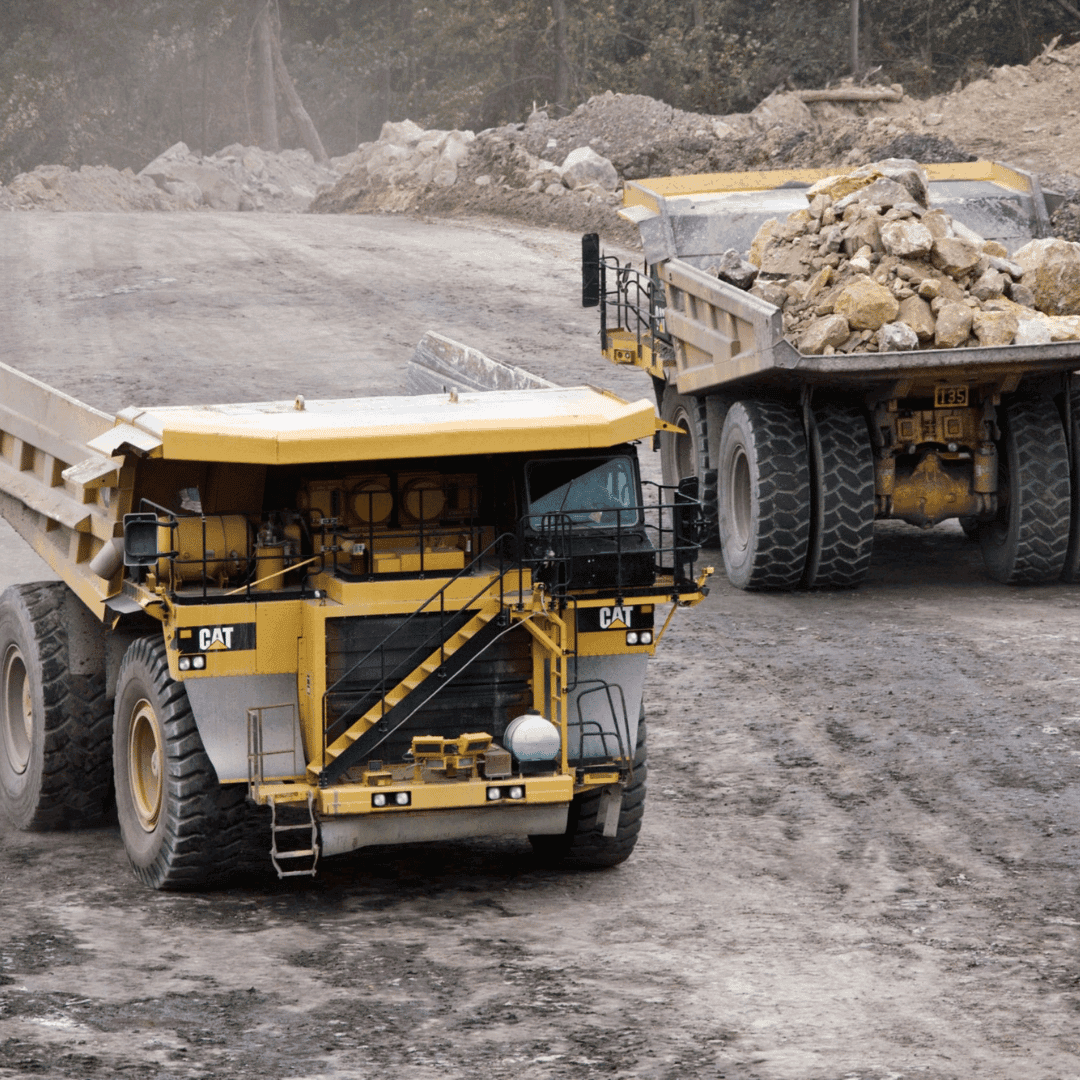
One of the more interesting facts in the bearing industry often goes unnoticed: both large-bore bearings for mining equipment and thin section bearings for precision applications reach the same maximum outside diameter—40 inches. But that is where the similarity ends, because each was engineered with a completely different design philosophy. RBC Bearings' Large Bore Bearings, manufactured in Hartsville, South Carolina, are produced from premium case-carburized steel. They are engineered to maximize load capacity in excavators and mining haul trucks, where the primary objective is exceptional strength under extreme loads. They are also available in MAX3 clean steel, which provides increased fatigue life and higher power density, along with machined bronze, pin-type, or stamped steel cages selected according to the application. At the opposite end of the design spectrum are RBC's Thin Section Ball Bearings, which also reach diameters of up to 40 inches, but with an entirely different engineering approach. Featuring cross sections as small as one inch, they are designed for minimum weight, compact size, and high rigidity. These bearings are commonly used in applications where space and weight are the primary constraints, such as medical equipment, semiconductor manufacturing systems, and robotics. In other words, while a 40-inch bearing in a mining haul truck is engineered to withstand massive loads, severe impacts, and continuous contamination, a medical system using a bearing with the same outside diameter is designed to achieve exactly the opposite goal: the lowest possible weight without compromising precision or stiffness. This contrast illustrates an engineering principle that we apply every day at BIOSA when recommending bearings to our customers: size alone is never the deciding factor. Load, speed, available space, and operating conditions determine whether a heavy-duty large-section bearing or a lightweight thin section bearing is the right solution—even when both share the same nominal diameter.