

Bearings for Nuclear Submarines and Guided Missiles
Discover the aerospace bearings developed by RBC Bearings for guided missile systems and nuclear submarines.
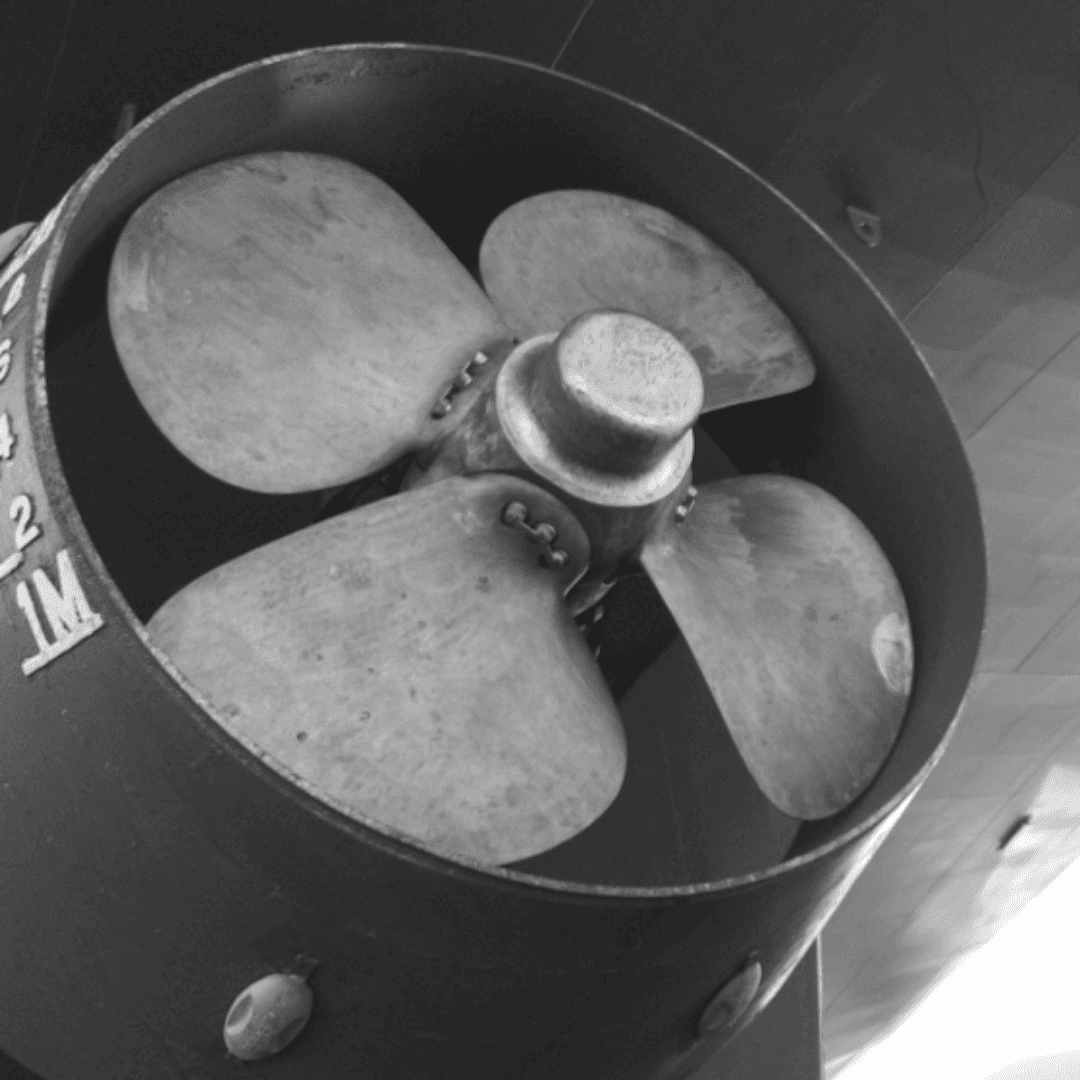
One Portfolio for Two Extreme Environments
When considering a guided missile and a nuclear submarine, it is easy to think of two completely different engineering worlds. Yet RBC Bearings groups both applications within the same technical support portfolio of its aerospace division, serving hypersonic and defense platforms. Within what the company refers to as its legacy of supported applications are space and hypersonic vehicles, solid-fuel propulsion systems, gas turbine engines, aircraft actuation systems, electro-optical targeting systems, flight controls, liquid oxygen turbopumps, missile guidance systems, military ground vehicles, air-, land-, and sea-based launch platforms, and nuclear submarines. What allows a single bearing portfolio to support such diverse applications is its operating temperature capability. RBC designs and tests these bearings for continuous, repeated operation across a temperature range of -323°F to 1,200°F (-197°C to 649°C). For single-use applications, such as certain missile systems, the acceptable operating temperature range can be even broader. The available materials reflect this versatility and include beryllium aluminum, titanium, Stellite, Inconel, Custom 465, silicon bronze, tungsten, and other aerospace-grade nickel- and cobalt-based alloys, complemented by HVOF coatings. Every component undergoes both non-destructive and destructive testing to validate its performance before being installed in its final application. The common engineering challenge shared by a guided missile and a nuclear submarine is not their function, but the environment in which they operate: extreme temperatures, continuous vibration, and little to no opportunity for maintenance once the system is deployed. That is the challenge a single bearing must overcome, whether it ultimately operates deep underwater or guides a vehicle traveling at hypersonic speeds. To meet these demanding requirements, RBC complements its bearing technologies with extensive specialized processing capabilities, including HVOF coatings, dry-film lubrication, passivation, nitriding, and a variety of additional protective surface treatments. These processes enhance the base materials by improving corrosion resistance, wear resistance, and long-term durability in some of the world's most demanding operating environments.