

Bearings for Spacecraft Docking Hatches
Discover the bearings and components developed by RBC Bearings for spacecraft docking hatches.
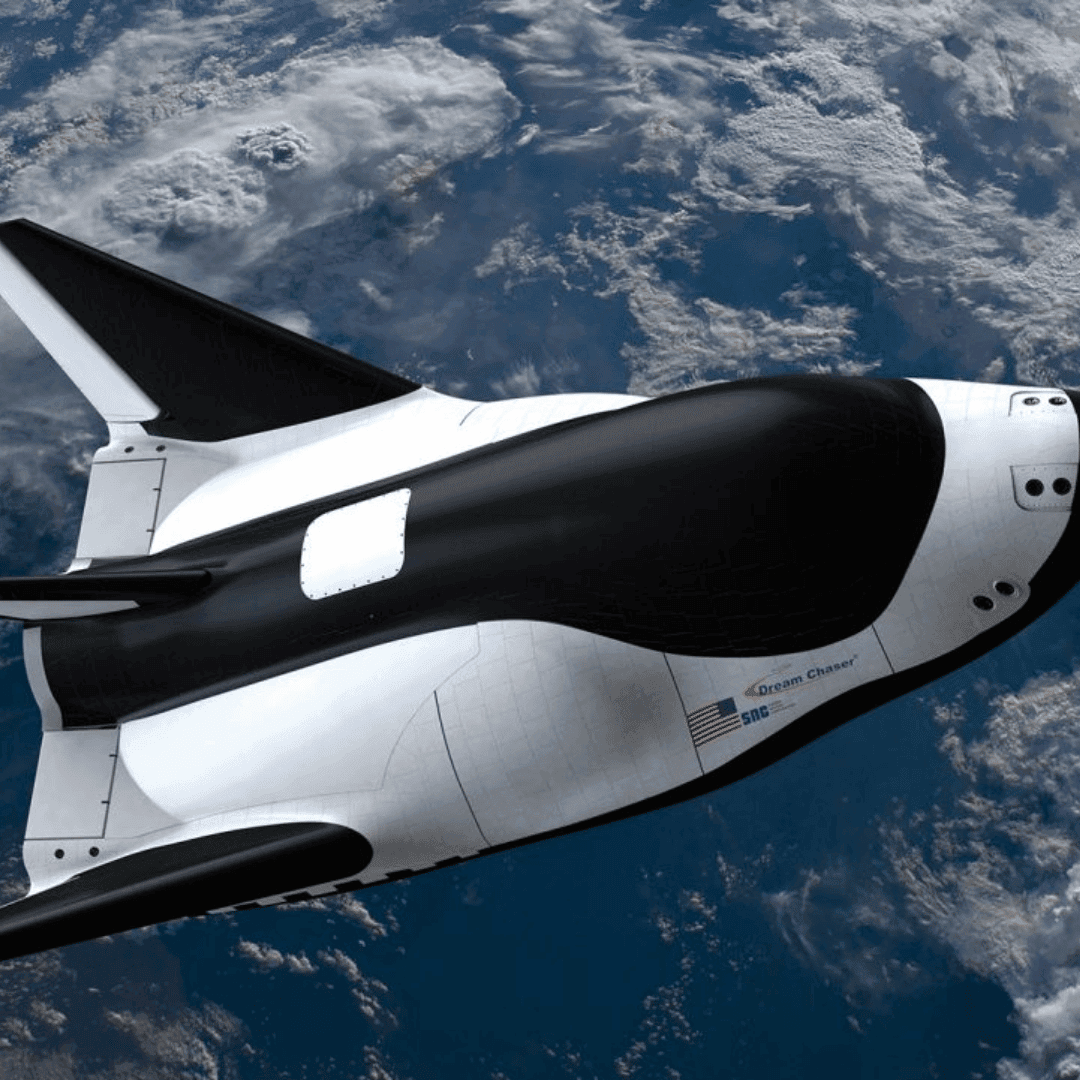
The Point Where Two Spacecraft Connect in Space
When two spacecraft dock in orbit—whether to transfer crew, cargo, or fuel—the connection depends on a docking hatch that must provide a perfect seal and operate without any margin for error. RBC Bearings identifies docking hatches as one of the documented applications within its portfolio of space industry solutions. This application is presented alongside other critical systems in the same portfolio, including launch support structures, spacecraft landing gear, flight control actuators, propellant tank supports, control valves and their actuators, and fin actuation systems. Together, these components form an integrated ecosystem that must function in perfect coordination throughout a mission. RBC Bearings supports these applications with more than 100 years of engineering expertise. In addition to its bearing technologies, the company provides advanced machining and specialized processing capabilities that enable these components to be integrated into next-level assemblies. These assemblies are evaluated using a Failure Mode and Effects Analysis (FMEA) process to help ensure structural integrity throughout the entire mission lifecycle. A failure in a docking hatch mechanism is far more than a minor mechanical issue—it can prevent two spacecraft from docking in orbit, with the success of the entire mission depending on that connection performing exactly as designed. At BIOSA, we do not distribute space-grade components, but the underlying engineering principle is the same: a mechanical connection point must operate without room for error. This is the same philosophy we apply when recommending industrial couplings and shaft connections, where a misalignment failure can bring an entire production line to a halt. Materials available for these types of components include titanium, stainless steel, aluminum, and elastomers, selected according to the weight and structural performance required for each specific area of the spacecraft, from the sealing mechanism to the structure that supports the entire docking hatch.