

Bearings for Military Weapons: Why They Fail in Storage
Discover why many bearings used in military weapons fail during storage—not in combat—according to RBC Bearings.
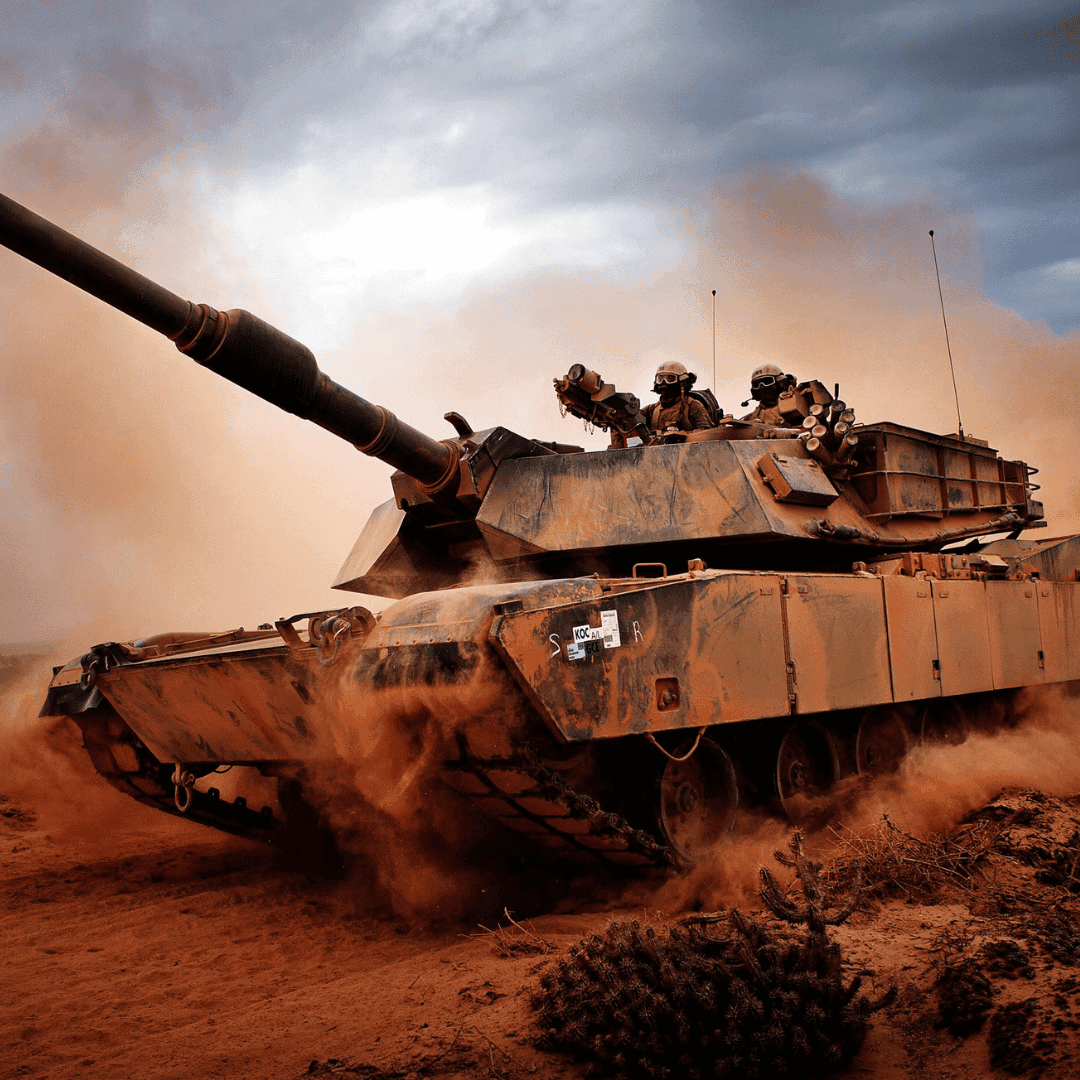
The Damage Occurs Before the Component Ever Enters Service
It is easy to assume that a military bearing fails because of combat conditions or intensive operation. However, according to RBC Bearings, many bearing designs used in military weapon systems overlook a different challenge: the damage that occurs during storage and throughout repeated assembly and disassembly on aircraft, ground vehicles, or submarine systems. The repeated installation and removal of weapon ordnance, as described by the company, creates wear at contact points that are often not designed to withstand frequent maintenance cycles. To address this issue, RBC utilizes corrosion-resistant nitrogen-enhanced (CREN) steels and specialized superalloys that provide greater durability during repeated assembly and disassembly operations. Another often-overlooked threat is vibration. RBC explains that a bearing is rarely truly stationary—constant vibration creates micro-movements that can lead to wear and premature failure if left unaddressed. To combat this, the company offers a range of anti-friction technologies, including polymer friction dampers, electrolytic and electroless coatings, HVOF coatings, plasma coatings, molybdenum disulfide, graphite, tungsten disulfide, and PTFE-based solutions, all designed to reduce excessive wear and prevent fretting corrosion. This perspective changes the fundamental question surrounding military bearings. The challenge is not only whether a bearing can withstand combat conditions, but whether it can survive years of storage and dozens of assembly and disassembly cycles before it is ever called into service. RBC Aerospace supports this approach with more than a century of engineering experience. In addition to bearings, valves, pneumatic actuation systems, specialized fasteners, and hydraulic components, the company manufactures forged tubular structural members, bulkhead fittings, rubber bladder tank fittings, and swivel and bungee rods—components that are frequently integrated alongside bearings within the same military systems.