

Military Bearings for Air, Sea, and Land: One Engineering Platform
Discover how RBC Bearings develops military bearings using the same core design platform for aircraft, submarines, and ground vehicles.
Three Environments, One Engineering Process
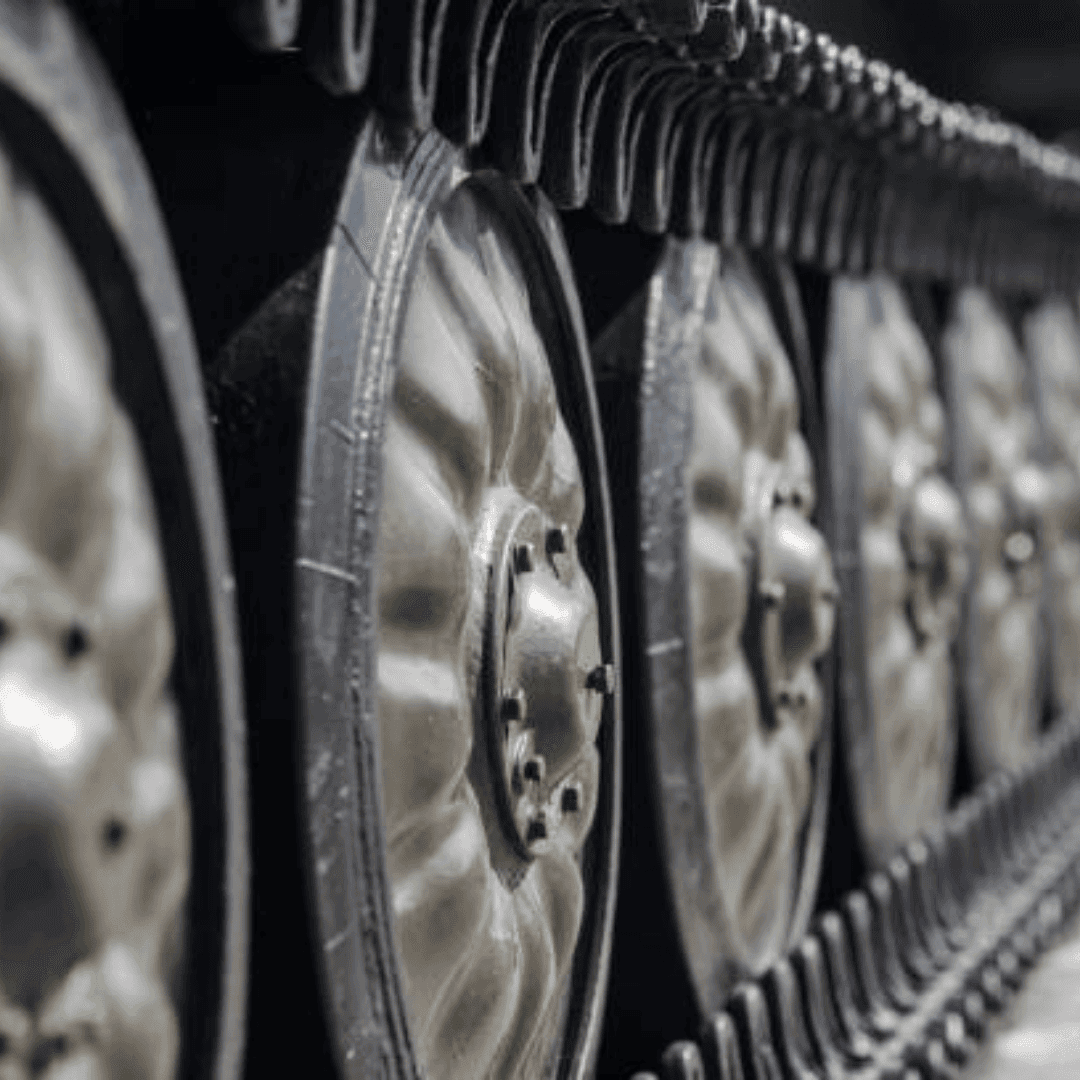
Flight, sea, and land represent three completely different operating environments, each with its own challenges related to pressure, temperature, corrosion, and vibration. Even so, RBC Bearings develops bearings for space and hypersonic vehicles, nuclear submarines, and military ground vehicles using the same engineering design and validation process within its aerospace division. That process includes a Failure Mode and Effects Analysis (FMEA) applied not only to the bearing itself but also to the complete system in which it operates. The objective is to ensure structural integrity throughout the component's service life, regardless of whether it is ultimately installed in a ground vehicle, spacecraft, or submarine. These applications also share the same design temperature range. RBC tests its bearings for continuous, repeated operation between -323°F and 1,200°F (-197°C to 649°C), covering conditions that range from the extreme cold encountered in submarine and space environments to the intense heat generated by solid-fuel propulsion systems and gas turbines. In addition to this common thermal design philosophy, these applications benefit from the same portfolio of anti-friction technologies developed by RBC to reduce vibration-induced wear. These include polymer friction dampers, electrolytic coatings, HVOF coatings, molybdenum disulfide, graphite, tungsten disulfide, and PTFE-based surface treatments. The fact that a single engineering process—with the same operating temperature range and many of the same surface treatment technologies—can be adapted for the vacuum of space, the high-pressure environment of the ocean, and rugged ground operations demonstrates that the real engineering challenge is not the environment itself, but ensuring that a bearing maintains its structural integrity regardless of where it is deployed. RBC Aerospace supports this engineering approach with more than 100 years of experience in advanced engineering solutions. Its bearings can be integrated into higher-level assemblies through the company's precision machining and specialized processing capabilities. RBC also manufactures complementary components such as forged tubular structural members, bulkhead fittings, rubber bladder tank fittings, and swivel rods, all forming part of the same engineering ecosystem for air, sea, and land applications.