

What Is Checked in a Pillow Block Bearing? Preventive Maintenance and Step-by-Step Inspection
Here you will find how and how often to perform inspections, without sophisticated instruments, although we indicate where they are useful.
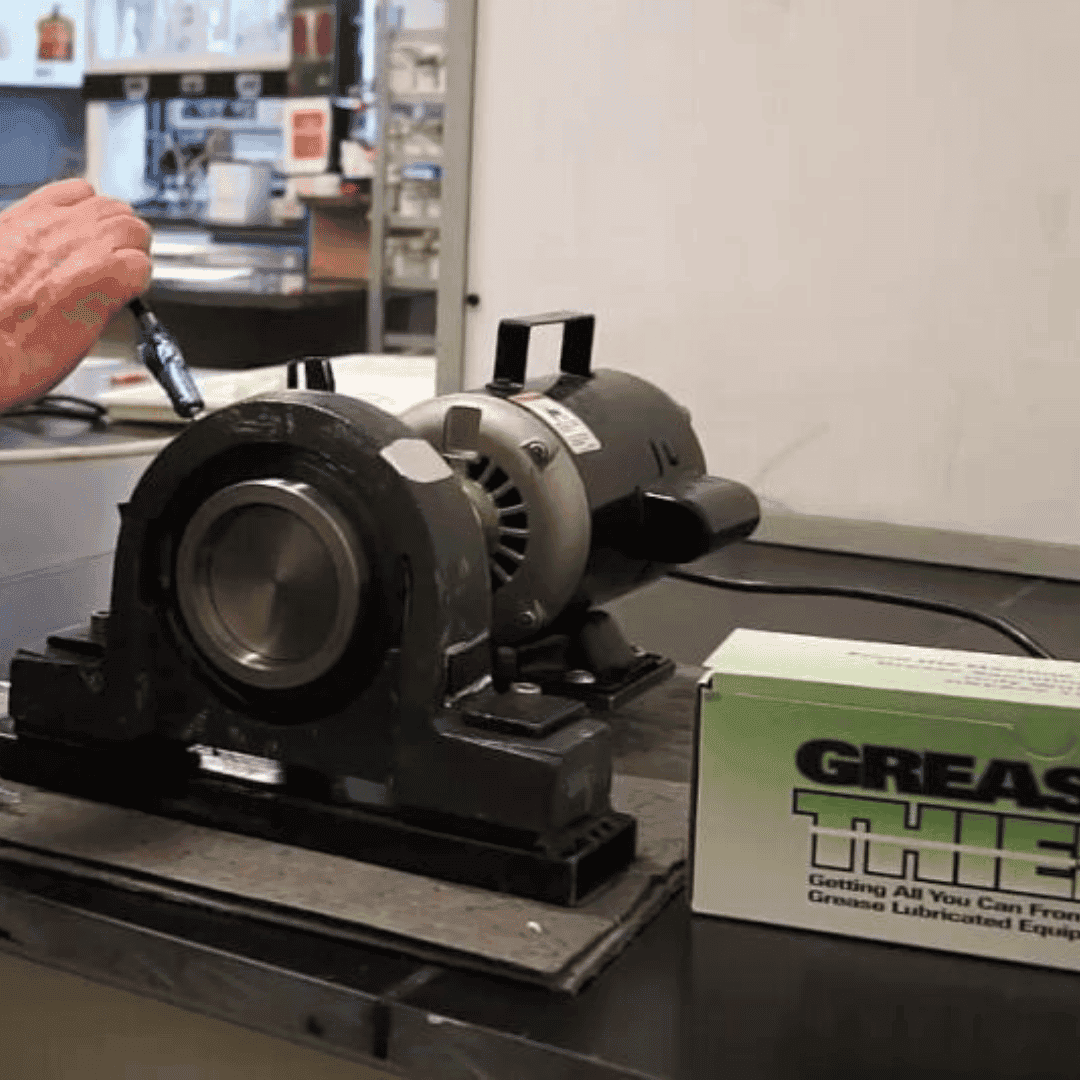
What to Check: The Six Critical Points
Temperature, noise, vibration, seal condition, lubricant level and condition, and mounting tightness. Each one is a window into the internal condition of the bearing. A disciplined routine focused on these six points detects the vast majority of problems before they become catastrophic.
1. Temperature
A properly lubricated and loaded pillow block bearing operates warm. Above approximately 80 °C on the surface, there is a problem: excess fresh grease (which should decrease within 1–2 hours), depleted lubricant, an insert that is too tight, or overload. Measure it with an infrared thermometer at the same point each time to compare trends; a progressive increase is more diagnostic than a single reading.
2. Noise
A healthy pillow block bearing is almost silent. Squealing indicates lack of lubrication; rhythmic knocking suggests damage to the raceway or balls; a rough humming sound indicates contamination. A mechanical stethoscope or ultrasonic meter can help locate the source and detect early-stage damage before it becomes audible.
3. Vibration
Increasing vibration indicates imbalance, misalignment, looseness, or bearing damage. For critical equipment, periodic vibration analysis identifies the type of problem through its frequency signature. Without instruments, placing a hand on the housing can detect noticeable changes compared to normal operation.
4. Seals
Visually inspect the seals: they must be intact, without cuts or hardening. Clean grease exudation is normal; black grease with particles indicates internal contamination and wear. Damaged seals allow contaminants to enter and are a common cause of accelerated failure, especially in dusty and humid environments.
5. Lubrication
Verify that the grease nipple is present, clean, and unobstructed. Confirm that the pillow block bearing is included in the relubrication program with the correct grease and an interval adjusted to the operating environment. Check that the grease coming out through the seals is not dark or contaminated with particles. Do not over-lubricate: excess grease generates heat.
6. Mounting to the Shaft and Structure
Check the tightening of the set screws or collar (shaft fixation) and the mounting bolts (structure fixation). Vibration loosens them over time. A loose fixation causes displacement, noise, vibration, and wear on the shaft seat. Retighten to the catalog torque specification using a torque wrench.
Signs That It Should Be Replaced
Temperature that rises steadily despite proper lubrication; persistent metallic noise; noticeable play when moving the shaft by hand; increasing vibration; or grease containing metallic particles. When several of these signs appear together, schedule the replacement before failure occurs during operation.
Regularly checking temperature, noise, vibration, seals, lubrication, and mounting fixation detects most problems early and turns a catastrophic failure into a planned replacement. It does not require expensive instruments, although ultrasound and vibration analysis are valuable for critical equipment. At BIOSA MOTION TECHNOLOGIES, we help you build a maintenance plan and have the replacement parts in stock when it is time for the change.