

What Is Torque in a Coupling?
Torque is the most important technical parameter when selecting a coupling. Understanding what torque is, how it is calculated, and why it should never be estimated is essential to choosing the right coupling for your application.
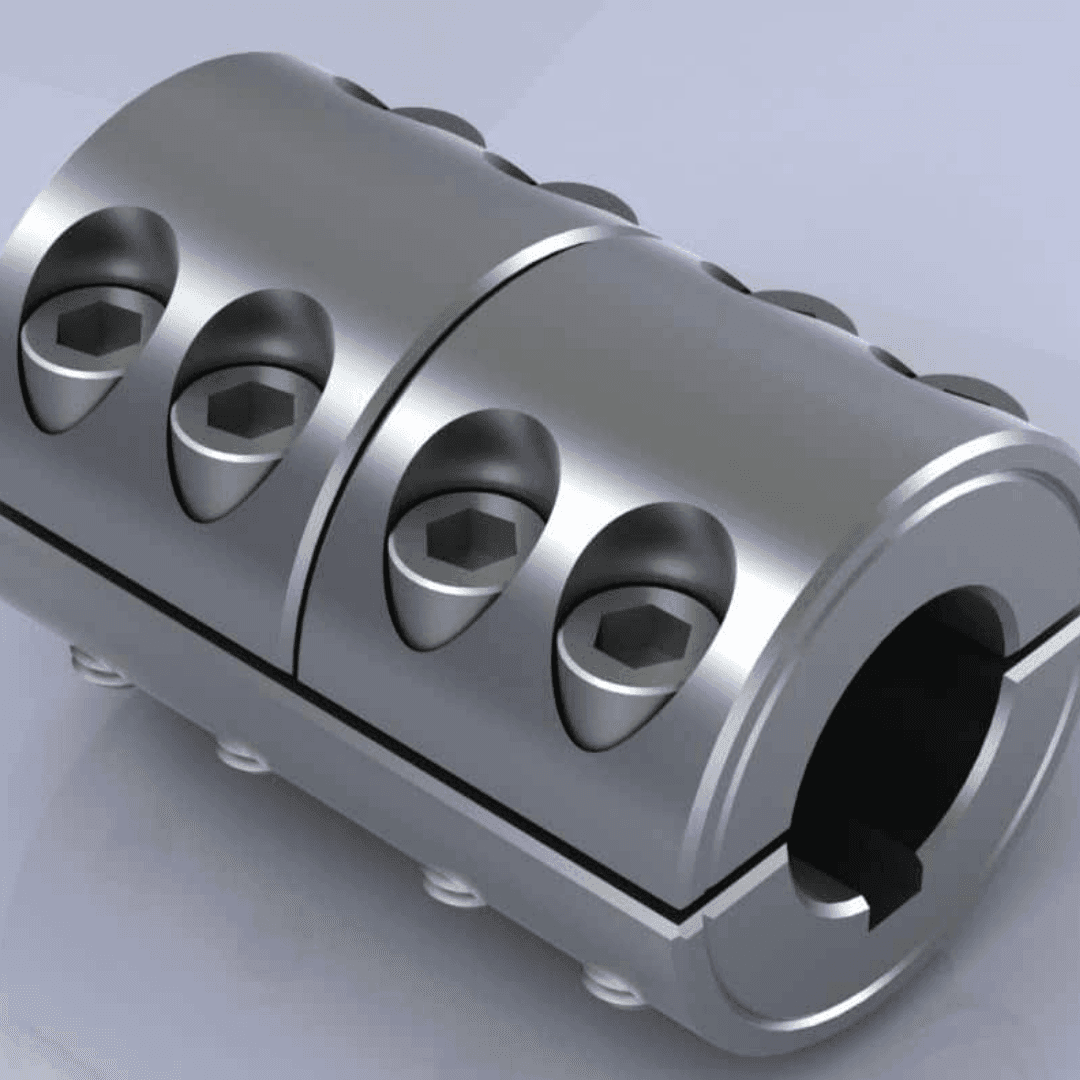
Definition of Torque in a Coupling
Torque is the rotational force that a coupling transmits from the driving shaft to the driven shaft. It is expressed in units such as Nm (newton-meters) or lb-in (pound-inches) and represents the amount of rotational force the coupling can safely transmit without deforming or failing. Every coupling has a rated torque, which is the manufacturer's recommended capacity for continuous operation, and a maximum (or peak) torque, which is the limit the coupling can withstand before the flexible element or hub suffers permanent damage. Proper coupling selection should always be based on the rated torque, while allowing sufficient margin to accommodate startup torque peaks.
How to Calculate the Required Torque
The required torque is calculated using the motor's power output and the shaft's rotational speed, according to the following formula: T = (P × 9550) / RPM Where: T = Torque (Nm) P = Motor power (kW) RPM = Shaft speed (revolutions per minute) This calculation provides the base operating torque. A service factor should then be applied based on the type of load and operating conditions to determine the minimum torque capacity required for the coupling.
Why Is the Service Factor So Important?
A motor that starts under load, experiences shock loads, or operates with frequent start-stop cycles requires a coupling with a higher torque capacity than the theoretical calculated torque. The service factor multiplies the base torque to provide a safety margin for these temporary torque peaks, and its value depends on the application. For example, a uniform conveyor typically requires a lower service factor than a mill or crusher, where impact loads are common. Selecting a coupling based solely on the motor's rated torque, without applying the appropriate service factor, is one of the most common causes of premature failure in power transmission systems.