
What Is Output Torque in a Gearmotor?
The output torque is the value that ultimately determines whether a gearmotor can move your equipment. Here we explain what it is and how it relates to power and speed.
Definition of Output Torque
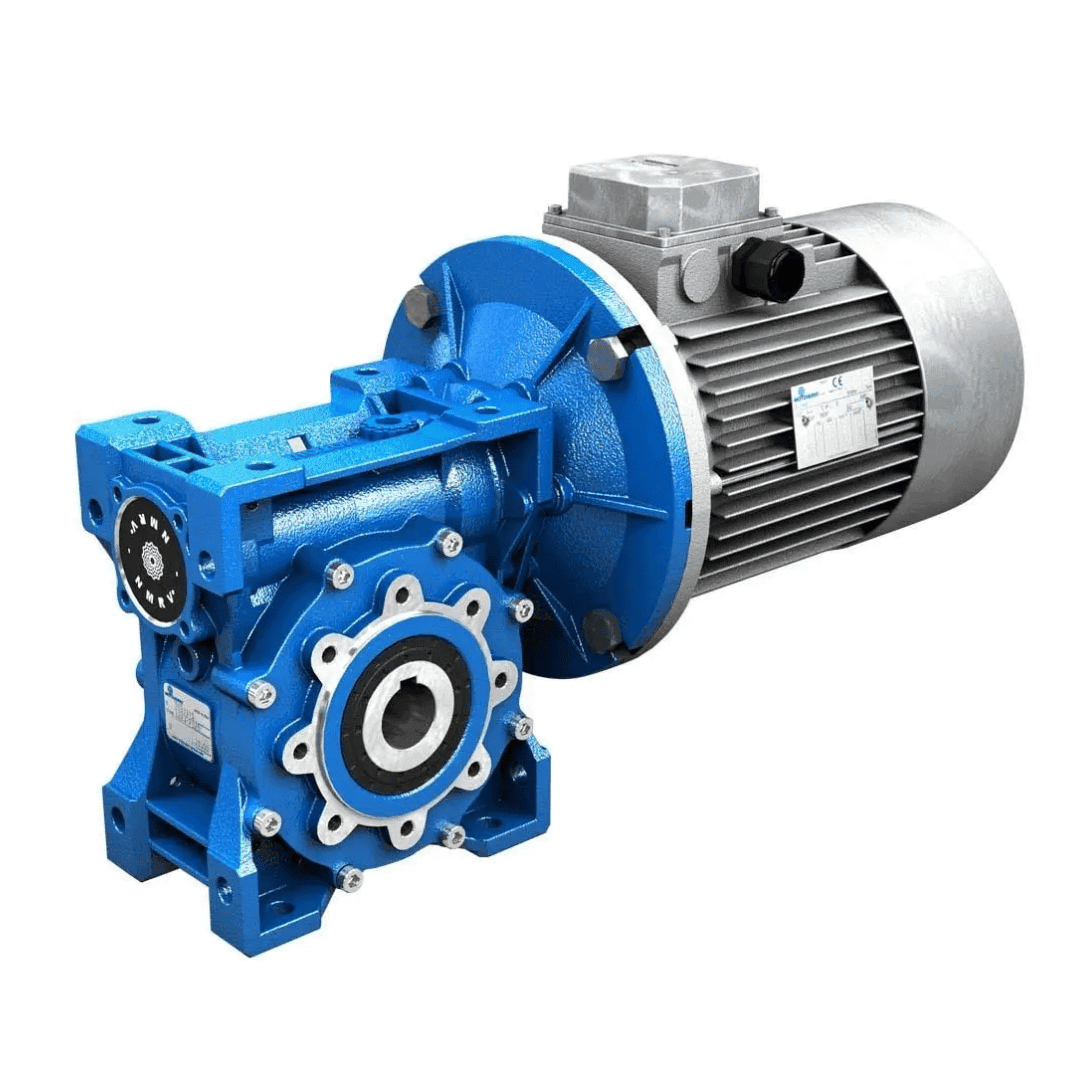
The output torque, also called output torque, is the twisting force available at the reducer’s output shaft, expressed in Newton meters (Nm) or pound-inches (lb-in). It is the value that determines whether the gearmotor can overcome the resistance of the load it needs to move, such as a conveyor belt, mixer, or lifting system.
How is torque related to power and speed?
The output torque is calculated using the formula Mr2 = (Pr1 x 9550 x dynamic efficiency) / n2, where Pr1 is the input power in kW, n2 is the output speed in RPM, and the dynamic efficiency depends on the reducer type and the number of reduction stages. In simple terms, the higher the reduction ratio and the lower the output speed, the greater the available torque for the same motor power.
Nominal Torque vs Starting Torque
The nominal torque is the continuous operating value specified by the manufacturer in the catalog. The starting torque, on the other hand, can be significantly higher during the first moments of operation, especially if the machine starts under load. For this reason, when selecting a gearmotor, it is not enough to consider only the application’s nominal torque: the appropriate service factor must be applied to cover the initial peak load.