

What Oil or Lubricant Does a Gearmotor Use
The correct lubricant protects the internal gears of a gearmotor and largely determines its service life. This is the logic behind oil selection.
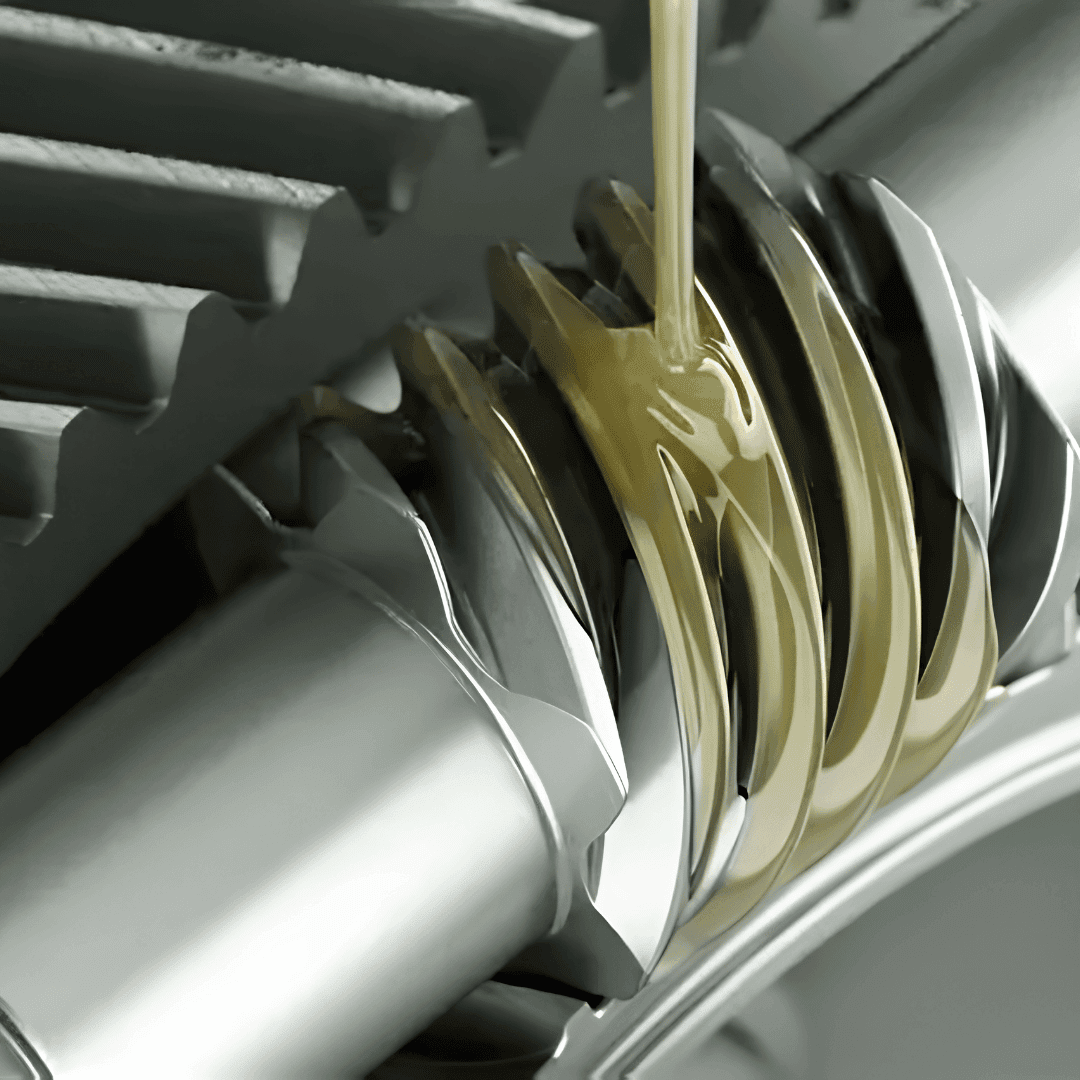
Mineral Oil vs Synthetic Oil
Reducers with cast iron housings usually come factory-filled with mineral oil, suitable for standard operating temperatures and normal duty cycles. Reducers with aluminum housings, such as the NMRV series, are typically factory-filled with synthetic oil, which provides better performance over a wider temperature range and allows mounting in different positions without the need to adjust the lubricant quantity.
Why Different Oil Types Should Not Be Mixed
Mixing mineral and synthetic oil inside the same reducer can degrade the lubricating properties of both, causing foaming or loss of viscosity. When servicing an existing gearmotor, always verify the original oil type before refilling or replacing the lubricant.
Special Considerations
Extreme ambient temperature: For operation below -5°C or above 40°C, it is necessary to consult the manufacturer for the appropriate lubricant, as standard oil may not perform correctly outside this range. Food industry: In applications where there is a risk of indirect contact with food, a certified food-grade lubricant is required, available as a special option in several gearmotor series. Mounting position: The required oil quantity varies depending on the final orientation of the reducer, so it should always be confirmed with the manufacturer’s data sheet before filling or topping up the level.