

Industrial Coupling Price: What Factors Determine the Cost?
The price of an industrial coupling varies depending on its size, material, and type. These are the key factors that truly determine the cost of a coupling.
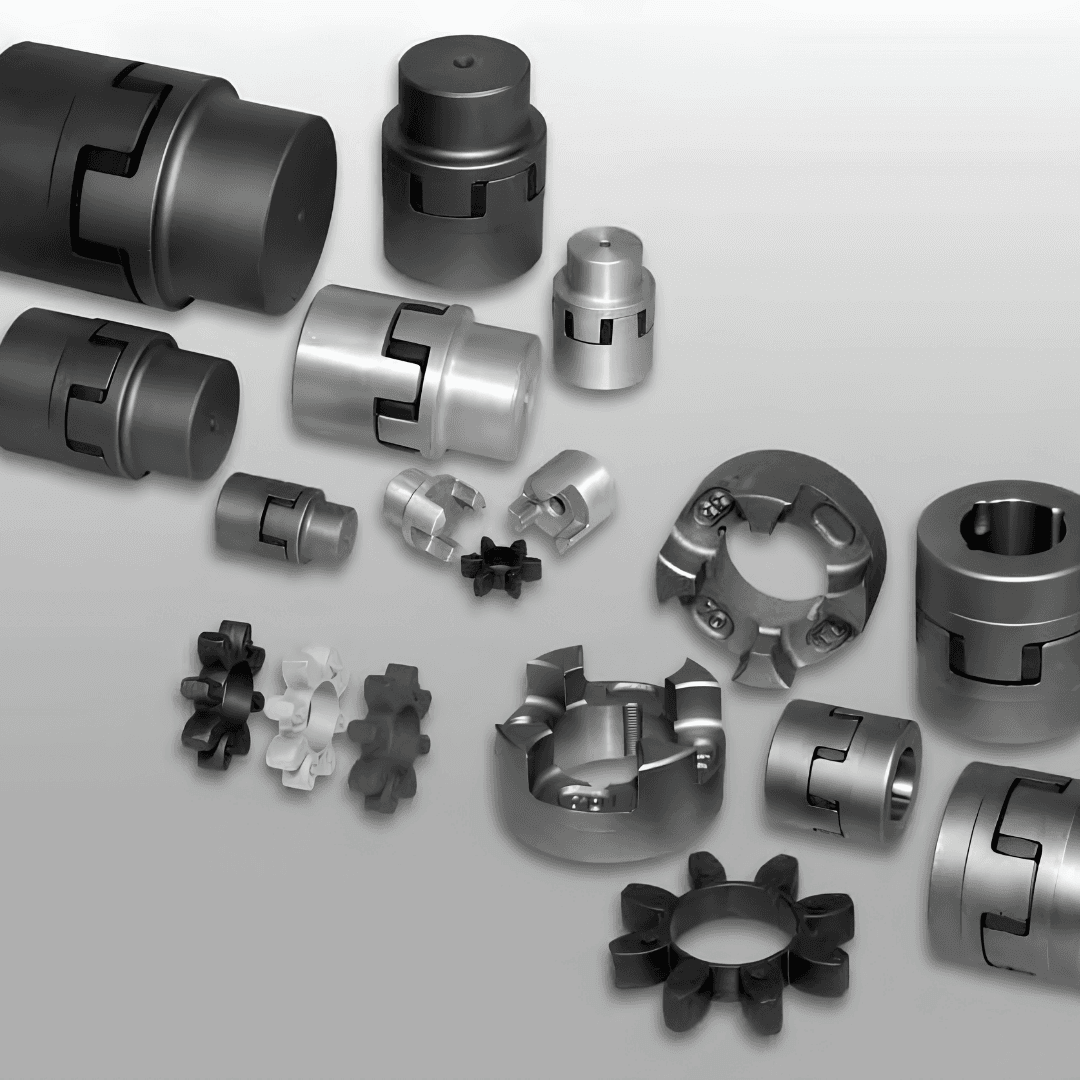
Factors That Determine the Price of a Coupling
Size and torque capacity: The larger the diameter and the higher the rated torque, the more material is required, resulting in a higher cost. Material: Aluminum couplings are generally more affordable than steel couplings but can handle less torque. Stainless steel couplings, commonly used in sanitary environments, are typically the most expensive. Coupling type: A jaw coupling with an elastomer insert is usually less expensive than a grid coupling or gear coupling with the same torque capacity because of its simpler design. Brand: Brands such as Lovejoy and Martin, known for strict manufacturing standards and readily available replacement parts, typically cost more than generic alternatives but help reduce the risk of premature failure. Required precision: Zero-backlash couplings for servo motors are manufactured to tighter tolerances, making them more expensive than standard couplings.
Why You Shouldn't Choose a Coupling Based on Price Alone
A low-cost coupling that fails prematurely can end up costing far more in production downtime than the price difference between it and a coupling from a trusted manufacturer. Before requesting a quote, it is recommended to first determine the required torque, operating speed, and expected misalignment, and then compare options that meet those technical requirements. At BIOSA, we supply and quote Lovejoy, Martin, and GABB IP couplings based on your equipment's specific application, ensuring you get a coupling that matches your system's actual performance requirements—not just its price.