What Is a Speed Reducer Used For? 5 Real-World Applications
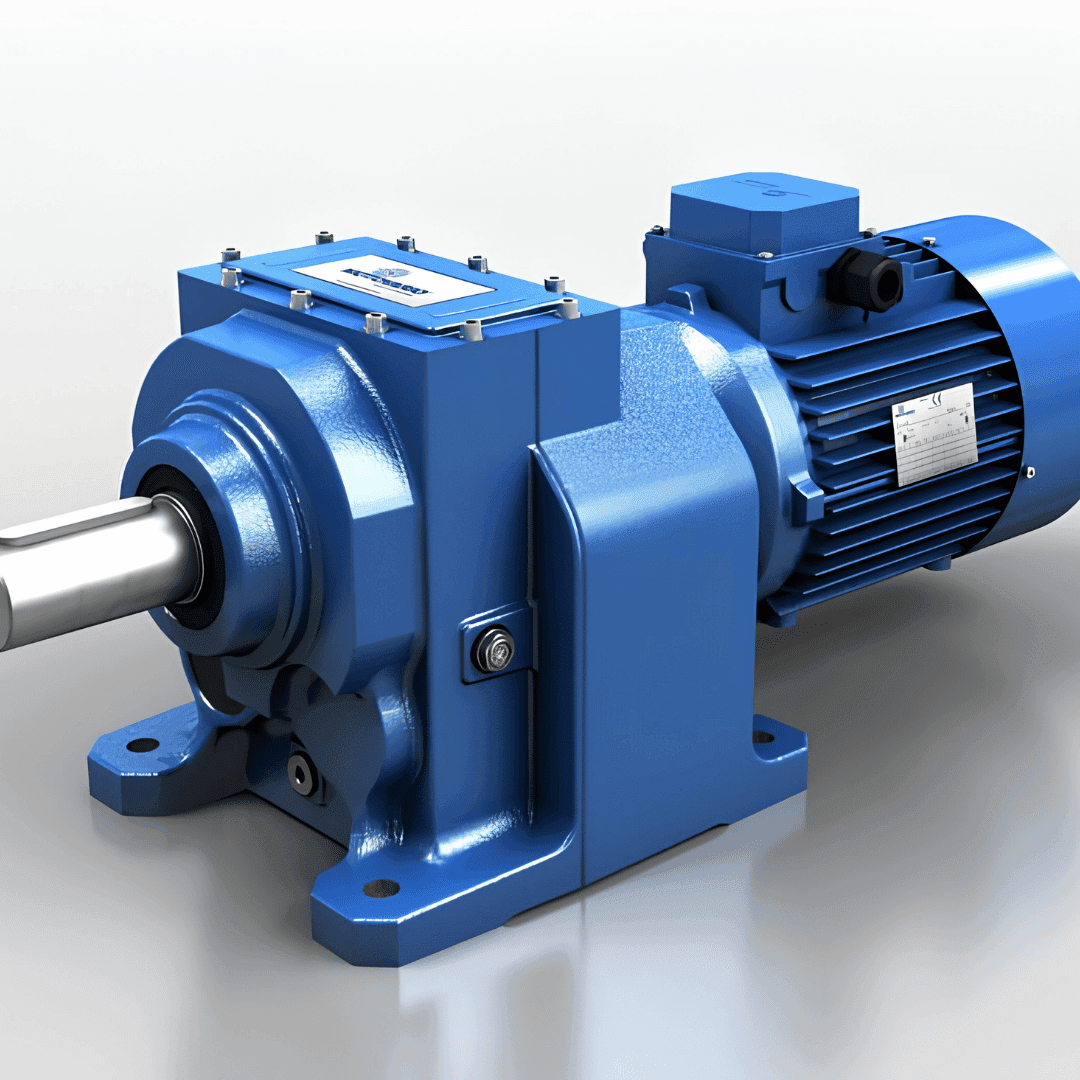
A speed reducer solves a very specific problem: delivering more torque and lower speed than what an electric motor provides by itself. These are five real-world applications where that difference makes a major impact.
1. Conveyor Systems
An electric motor rotates too fast to directly move a conveyor belt in a controlled manner. The speed reducer provides the lower speed and higher torque required to move material smoothly, avoiding product damage and preventing abrupt starts.
2. Industrial Mixers and Agitators
Mixing a viscous fluid or a dense material requires high torque at low speed, which is exactly the opposite of what a standard electric motor delivers by itself. The speed reducer makes this conversion possible, providing the force required to move the material consistently without overloading the motor.
3. Lifting Systems and Hoists
Lifting heavy loads safely requires precise speed control and enough torque capacity to support the weight without slipping. Speed reducers in these applications provide the mechanical advantage needed for controlled lifting and are often combined with an integrated brake system to stop and hold the load safely.
4. Dosing and Filling Equipment
In packaging and filling lines, speed precision is often more important than raw power. A speed reducer with a high reduction ratio allows finer control of the output speed, improving the accuracy and consistency of the dosing process.
5. Water Treatment Agitation Equipment
Water treatment plants use large speed reducers to drive mixing paddles at very low speeds during extended periods of continuous operation. In these applications, reducer reliability is critical, since an unexpected failure can interrupt the treatment process and generate costly downtime.