

Gearmotors for Mixers and Agitators
Mixing a viscous material requires high torque at low speed, which is the exact opposite of what a motor alone delivers. This is the selection criteria for mixers and agitators.
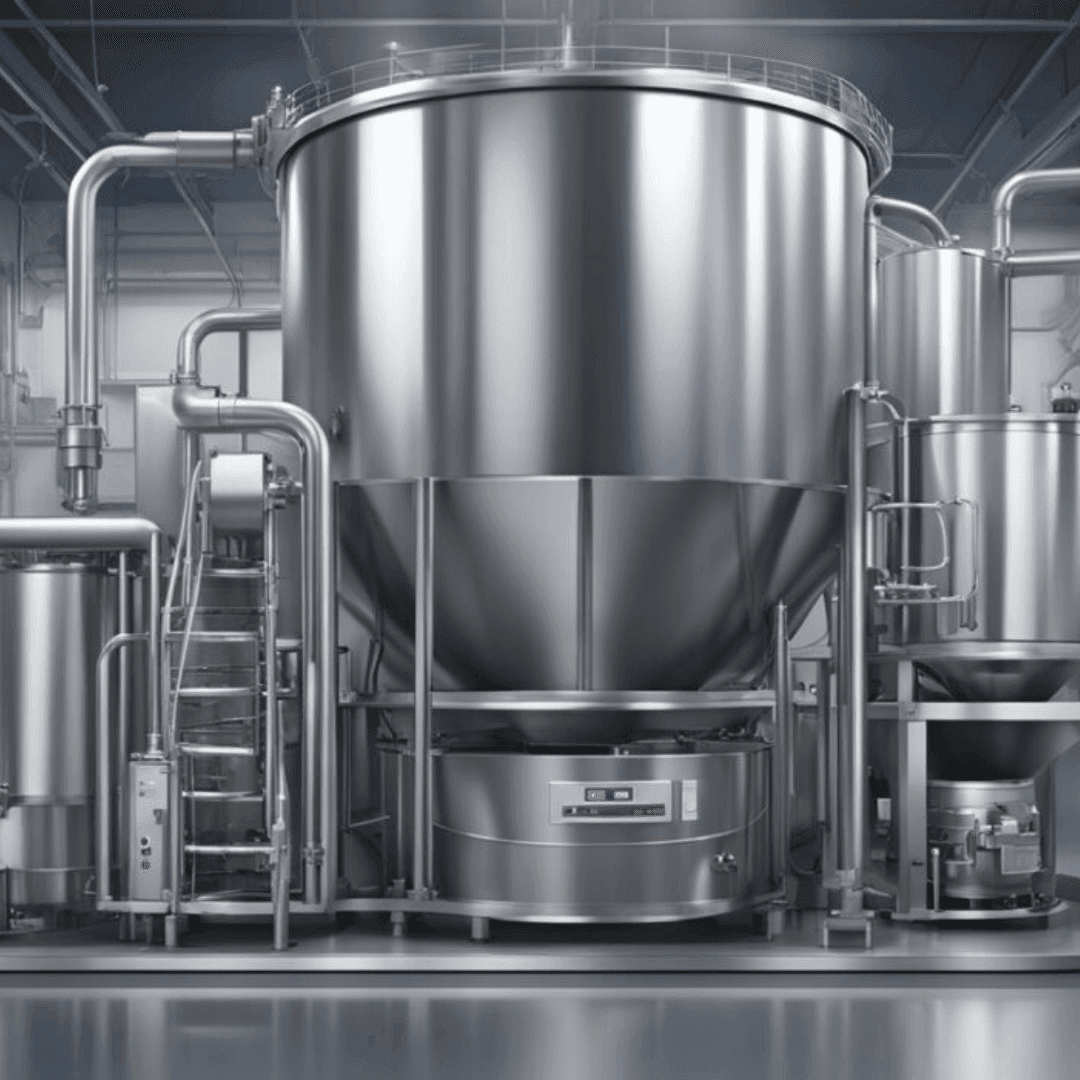
Technical Requirements of an Industrial Mixer
As the viscosity of the material increases, the continuous resistant torque that the gearmotor must overcome also increases, not only during startup. Additionally, mixers typically start with the material already loaded, generating a torque peak similar to a conveyor belt, but sustained for a longer period when the material is dense.
Recommended Configuration According to Mixing Type
Light material mixers or low-viscosity liquids: NMRV worm gearmotor with a Type A or B service factor depending on the starting frequency. Medium material agitators, such as pastes or semi-solid mixtures: Parallel shaft gearmotor with a Type B service factor, prioritizing energy efficiency during continuous operation. Heavy material or high-viscosity agitators: Larger parallel shaft gearmotor with a Type C service factor, considering starts under full load conditions.
Output Speed Consideration
Mixers typically require low output speeds, which means high reduction ratios are needed. In these cases, it is important to verify that the selected ratio does not reduce the available torque below the actual process requirements, since increasing only the reduction ratio without checking the resulting torque is a common selection mistake.