

Linear Guides by Industry: Applications and How to Choose Based on Your Sector
Linear guides by industry: automotive, food, pharmaceutical, paper, and robotics. What each sector requires and which HIWIN or ROLLON guide is suitable for each application.
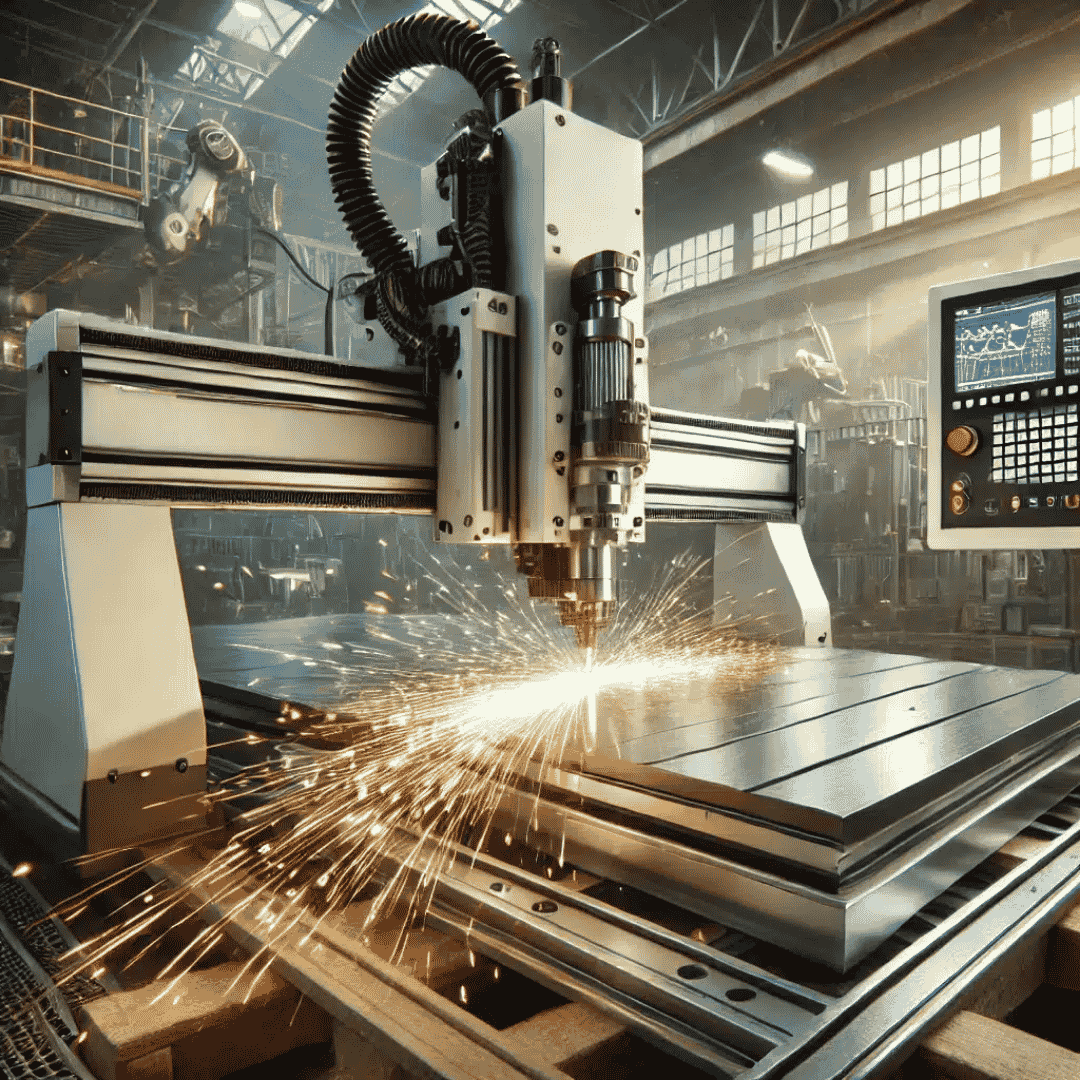
A linear guide for an automotive machining center and one for a food filling line do not have the same requirements: the material, sealing, lubricant, and precision all differ. Choosing the right guide starts with understanding what your industry demands, because the same component that excels in one industry may fail in another. This is BIOSA MOTION TECHNOLOGIES’ reference guide to applications by industry. Here you’ll find what each sector requires and which guide is appropriate, with links to articles that delve deeper into each one. We partner with HIWIN as our go-to supplier for precision profile guides and with ROLLON for telescopic, self-aligning, and actuator guides in specialty applications.
Why does the industry set the guidelines?
Lorem ipsum dolor sit amet, consectetur adipiscing elit, sed do eiusmod tempor incididunt ut labore et dolore magna aliqua. Ut enim ad minim veniam, quis nostrud exercitation ullamco laboris nisi ut aliquip ex ea commodo consequat. Duis aute irure dolor in reprehenderit in voluptate velit esse cillum dolore eu fugiat nulla pariatur. Excepteur sint occaecat cupidatat non proident, sunt in culpa qui officia deserunt mollit anim id est laborum.
Automotive: Precision and Rhythm
Each industry has its own specific conditions: temperature, contamination, humidity, hygiene requirements, loads, cycle rates, and regulations. These conditions determine four key decisions in the guide: the material (standard or stainless steel), the seal (standard or reinforced), the lubricant (industrial or food-grade), and the series or type. Making a selection without considering the industry is the most common cause of premature failure.
Food and Beverages: Hygiene and Corrosion
In areas that come into contact with food, the guides must withstand washing with water and detergents and must not leach contaminants. Stainless steel (HIWIN MG series), NSF H1 food-grade lubricant, and reinforced seals are required. Standard chrome steel guides corrode within weeks in this environment. We cover this in our section on linear guides for food applications.
Pharmaceutical Industry: Validation and Cleanrooms
In addition to hygiene requirements, the pharmaceutical industry also requires validation, traceability, and, often, cleanroom operations (with low particle shedding). Stainless steel guides, special low-evaporation or food-grade lubricants, and seals that minimize particle generation are used. We provide details on this in our pharmaceutical linear guides section.
Paper and cardboard: harsh environment
It is one of the most hostile environments: fiber dust, moisture, and vibration. The guides require reinforced bellows sealing, frequent lubrication or self-lubrication (E2 kit), and protection against fiber infiltrating the tracks. Here, ROLLON’s dirt-tolerant solutions (Compact Rail) complement HIWIN profile guides in the dirtiest areas.
Industrial Robotics: Dynamic Stiffness
Cartesian robots, gantry robots, and manipulator axes require high dynamic rigidity, low maintenance, and sometimes long travel ranges. We specialize in profile guides (HG/EG) with proper preload, and for axes that extend their reach, we offer ROLLON linear actuators and systems. We cover all of this in our section on linear guides for robotics.
Stainless Steel: When It's Essential
Stainless steel isn't a luxury it's essential in any environment involving moisture, washing, corrosion, or sanitary requirements. HIWIN's MG series is made of stainless steel right from the factory. We explain when it's the right choice in our article on stainless steel linear guides.
How to Choose for Your Industry
The method: It starts with the conditions of your environment (humidity, pollution, temperature, hygiene, regulations), which determine the material, sealing, and lubricant; then it selects the appropriate size based on load and precision, just as in any other selection process. The differences between industries lie primarily in protection and material, not in the operating principle. In regulated industries (food, pharmaceutical), the certification of the material and lubricant is just as important as mechanical performance.
Each industry has specific requirements that determine the right guide: the automotive industry demands precision and rhythm; food and pharmaceuticals, hygiene and corrosion resistance; paper, protection against fibers; robotics, dynamic rigidity. Starting with the specific industry helps prevent failures and cost overruns. At BIOSA MOTION TECHNOLOGIES, we serve all these sectors with the HIWIN and ROLLON product lines. Explore the article for your industry, or contact us via WhatsApp with the details of your application.