

Mechanical Coupling Glossary: 20 Key Terms
These are the 20 most commonly used technical terms related to mechanical couplings, explained in clear, practical language for anyone responsible for purchasing, specifying, or maintaining industrial couplings.
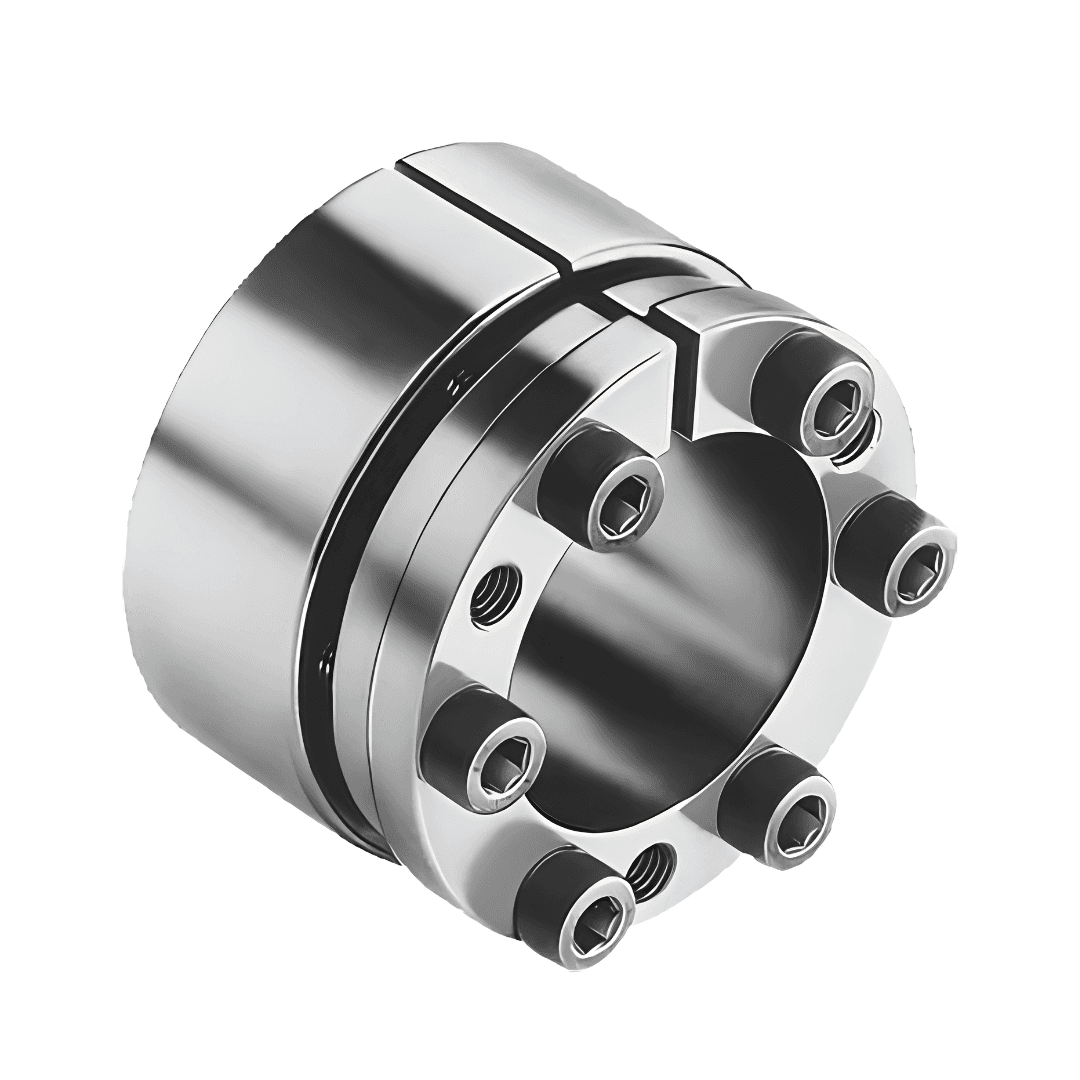
Basic Terms
Coupling: A mechanical component that connects two rotating shafts to transmit torque between them. Cople: The common commercial term used in Mexico for what is technically known as a coupling. Hub: The component mounted onto each shaft that supports and connects the coupling's power transmission element. Bore: The inside diameter of the hub where the shaft is inserted. Keyway: A machined slot in both the shaft and the hub where the key is installed to prevent relative rotation. Torque: The rotational force transmitted by the coupling from the driving shaft to the driven shaft. RPM (Revolutions Per Minute): The rotational speed of the shaft, measured in revolutions per minute.
Misalignment Terms
Angular misalignment: Occurs when the shafts intersect at a slight angle rather than being perfectly aligned. Parallel misalignment: Occurs when the shafts remain parallel but are laterally offset from one another. Axial misalignment: A change in the distance between the shaft ends, commonly caused by thermal expansion during operation.
Coupling Type Terms
Spider: The elastomer insert located at the center of a jaw coupling, designed to transmit torque while absorbing vibration and misalignment. Jaw: One of the interlocking hub teeth that engages with the spider in a jaw coupling. Grid: The flexible metallic element used in a grid coupling to transmit torque while accommodating shaft misalignment. Backlash: The amount of angular play or rotational clearance between coupling components. In servo motor applications, zero backlash is required for precise positioning. Elastomer: A flexible material, such as Hytrel or urethane, used in jaw couplings to absorb shock, vibration, and shaft misalignment.
Operating Terms
Service factor: A safety multiplier applied to the rated torque based on the type of load and operating conditions. Dynamic balancing: The process of ensuring a coupling rotates smoothly without generating vibration at high operating speeds. Service life: The expected operating period before the coupling requires maintenance or replacement of wear components, such as the elastomer insert. Set screw: A screw used to secure the hub to the shaft by applying pressure directly against the shaft surface. Motion control: A category of high-precision couplings designed for servo motors, robotics, and automation systems, where accurate positioning and zero backlash are critical.