

Common Coupling Installation Mistakes and How to Avoid Them
Many premature coupling failures are not caused by incorrect selection, but by installation mistakes. These are the most common errors encountered in industrial applications.
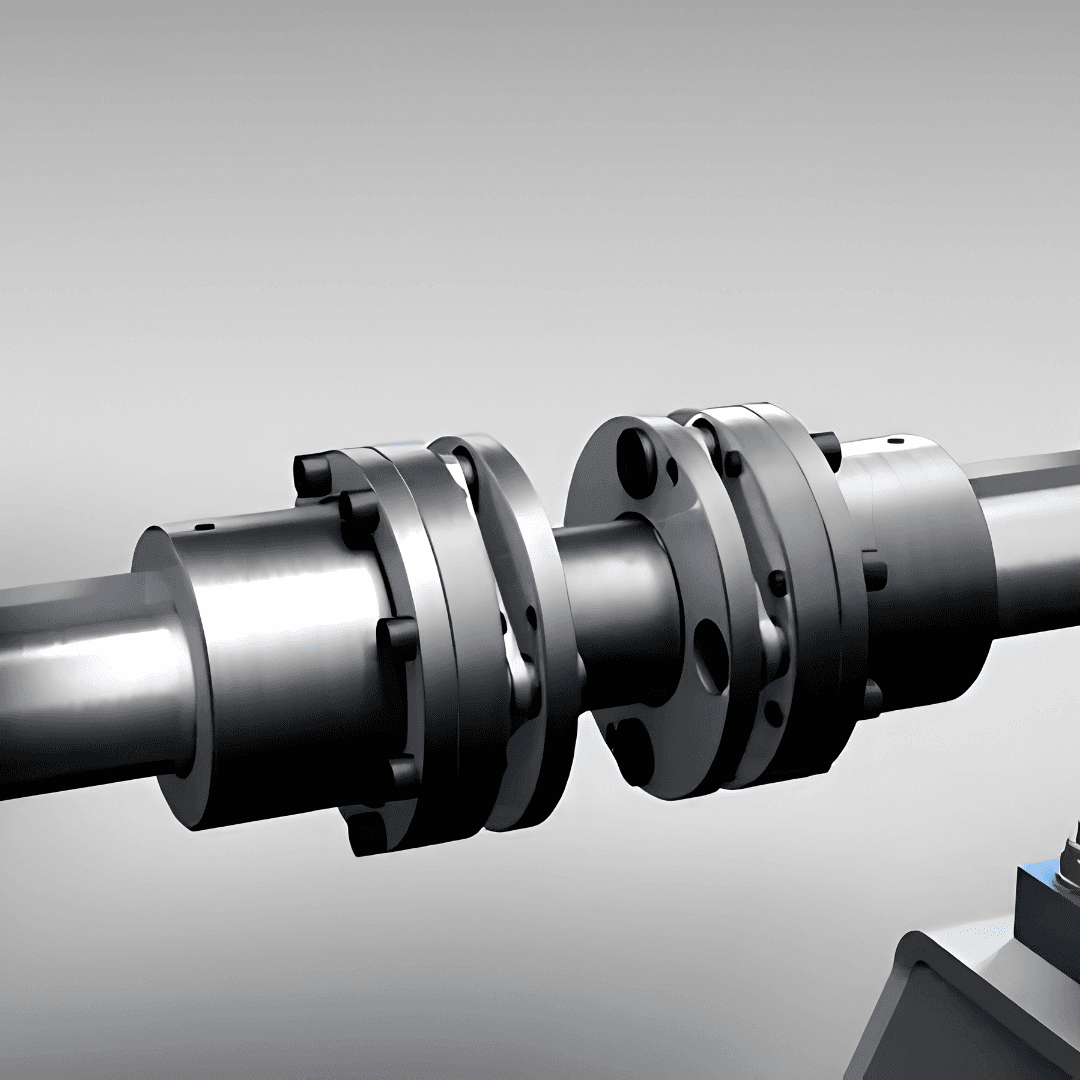
Common Coupling Installation Mistakes
Failing to verify shaft alignment before installation: Installing the coupling assuming it will compensate for any misalignment, instead of aligning the motor and driven equipment first. Hammering the hub onto the shaft: This can damage the motor's internal bearings or deform the hub, especially in sintered iron components. Ignoring the specified tightening torque: Tightening the set screw by feel instead of using a calibrated torque wrench increases the risk of slippage or thread damage. Installing a worn or damaged flexible element: Reusing a spider or grid that is already worn instead of replacing it, reducing the service life of the entire coupling. Failing to maintain the correct hub gap: Installing the hubs too close together or too far apart negatively affects the performance of the flexible element between them. Omitting the safety guard: Operating the equipment without the coupling guard, creating an industrial safety hazard while exposing the elastomer to dirt and moisture. Skipping the no-load test run: Starting the equipment under full load without first checking for vibration and abnormal noise during a no-load startup.
How to Avoid These Installation Mistakes
Most of these mistakes can be prevented by following the step-by-step installation procedure and using the proper tools: a dial indicator or laser alignment system for shaft alignment, a calibrated torque wrench for tightening, and replacing the flexible element every time the coupling is disassembled, even if it appears to be in good condition.