

Shaft Misalignment: Why the Right Coupling Compensates for It
Shaft misalignment is almost inevitable in any industrial installation. Understanding how the right coupling compensates for it helps prevent costly equipment failures.
What Is Shaft Misalignment?
Shaft misalignment occurs when the driving shaft and the driven shaft are not perfectly aligned along the same centerline after equipment installation. Misalignment can be angular, when the shafts meet at a slight angle; parallel, when the shafts remain parallel but are offset from each other; or axial, when the distance between the shaft ends changes due to thermal expansion or vibration. No industrial installation maintains perfect alignment indefinitely. Factors such as foundation settling, thermal expansion of the motor during operation, and the normal wear of bearings gradually alter the original alignment over time.
How the Right Coupling Compensates for Misalignment
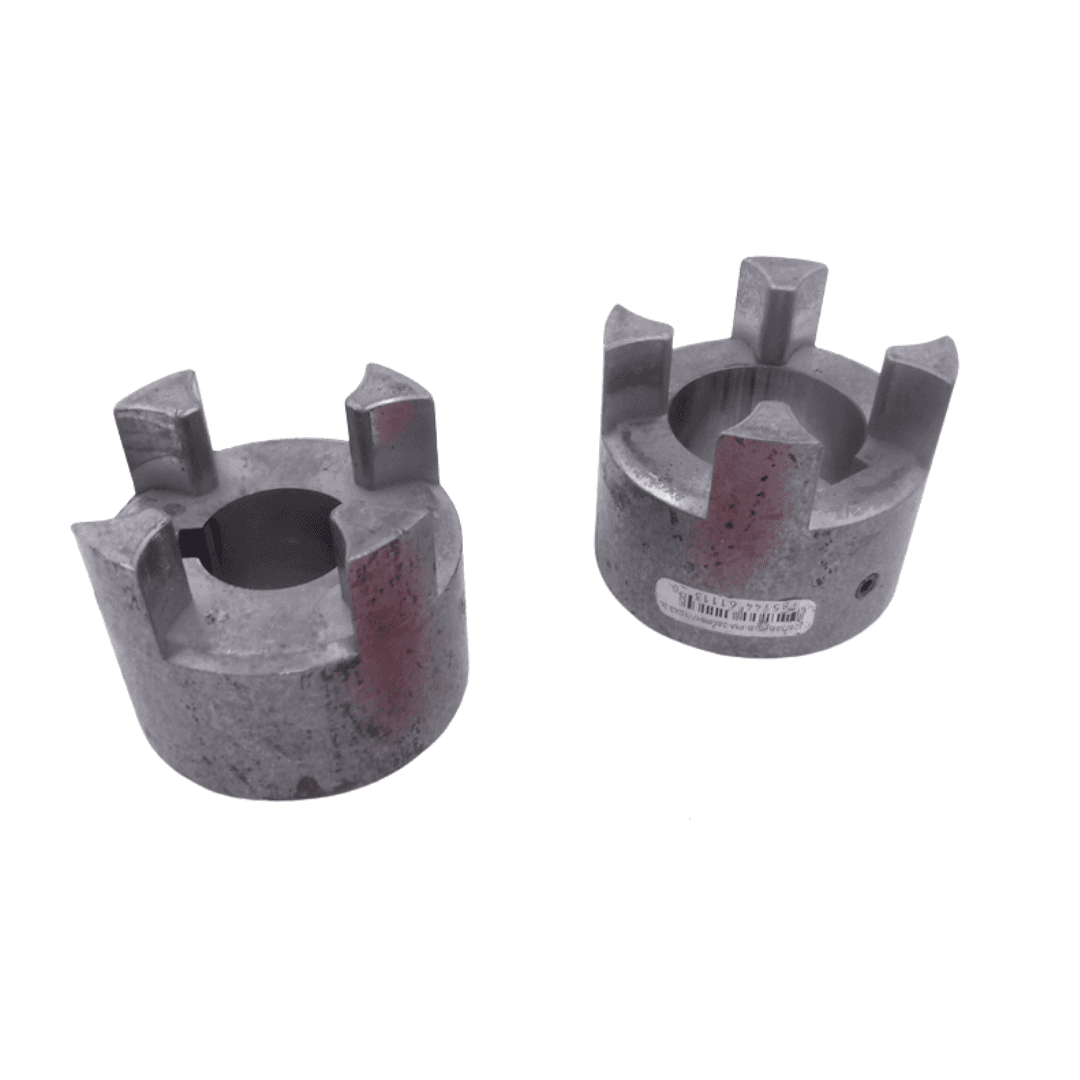
A flexible coupling is designed to compensate for these shaft movements without transmitting the resulting forces to the bearings of either the motor or the driven equipment. For example, the elastomer insert in a jaw coupling deforms slightly to accommodate angular and parallel misalignment, while a metal grid in a grid coupling flexes within its own structure to achieve the same effect in higher-torque applications. When the misalignment exceeds the coupling's compensation capacity, the most common symptoms are excessive vibration, abnormal noise, and bearing overheating near the coupling. Ignoring these warning signs can significantly reduce the service life of the entire power transmission system.