

When to Replace a Coupling Elastomer
The elastomer in a jaw coupling is the component that experiences the greatest wear in the entire system. These are the signs that indicate it has reached the end of its service life.
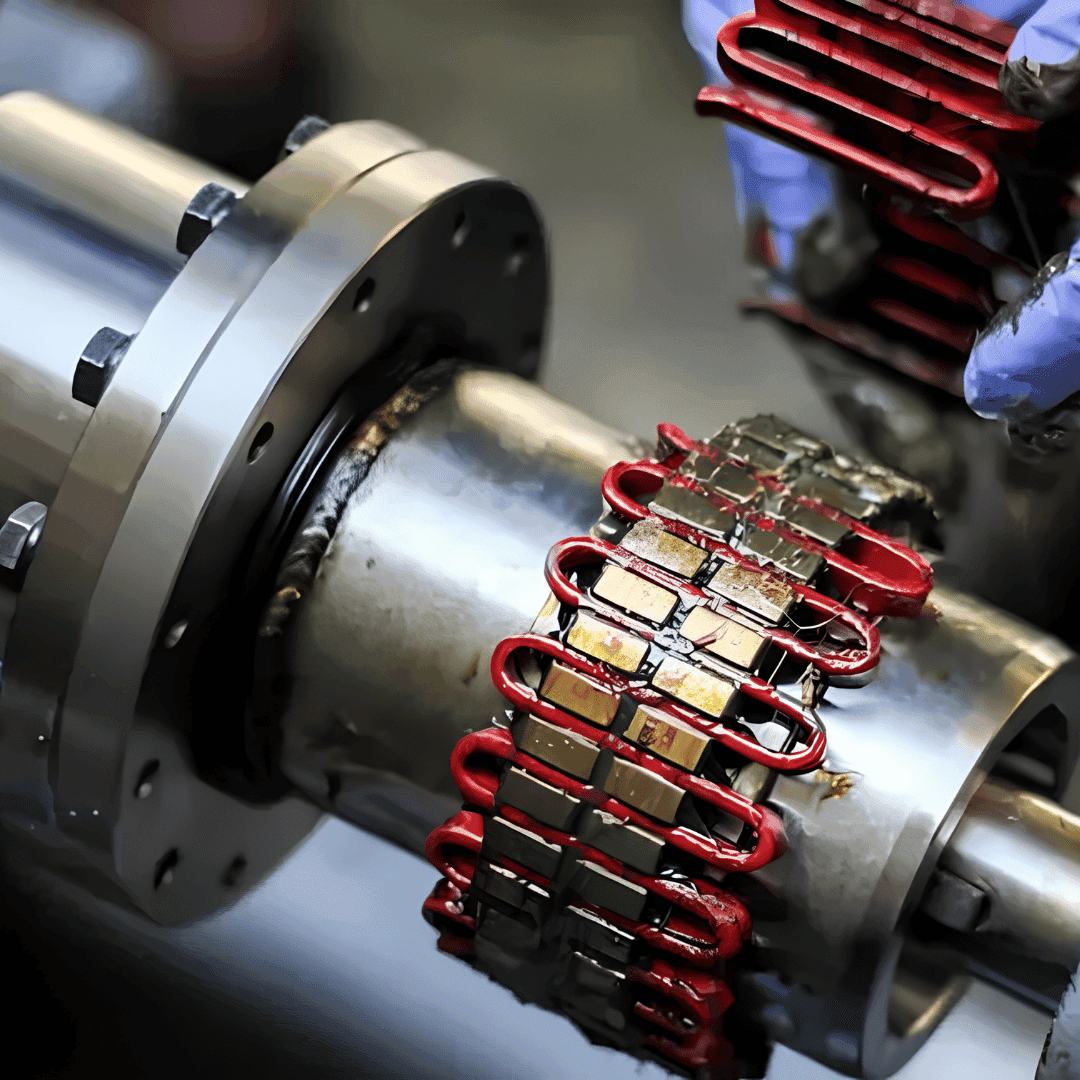
Signs of Elastomer Wear
Visible cracks: Small cracks on the surface of the elastomer, especially in the areas that contact the coupling jaws. Loose fragments: Small pieces of material found near the coupling, indicating that the elastomer is in an advanced stage of wear. Hardening or discoloration: An elastomer that has lost its flexibility or changed color from its original condition, commonly after prolonged exposure to high temperatures or oil. New vibration in the system: A worn elastomer loses its ability to absorb vibration, resulting in noticeable vibration that was not previously present.
Expected Service Life by Material
An NBR (SOX) elastomer offers good overall resistance, but it degrades more quickly when exposed to oil and high temperatures. A Hytrel elastomer provides higher torque capacity and better chemical resistance, extending its service life in demanding applications. In both cases, the actual service life depends on operating hours, system load, and environmental conditions, rather than simply on the amount of calendar time that has passed.
Replacement Recommendation
It is recommended to replace the elastomer preventively during scheduled equipment maintenance rather than waiting for it to fail completely. A complete elastomer failure can abruptly interrupt torque transmission and result in an unplanned production shutdown.