
What Is the Difference Between a Chain Wheel and a Sprocket? Industrial Terminology Explained
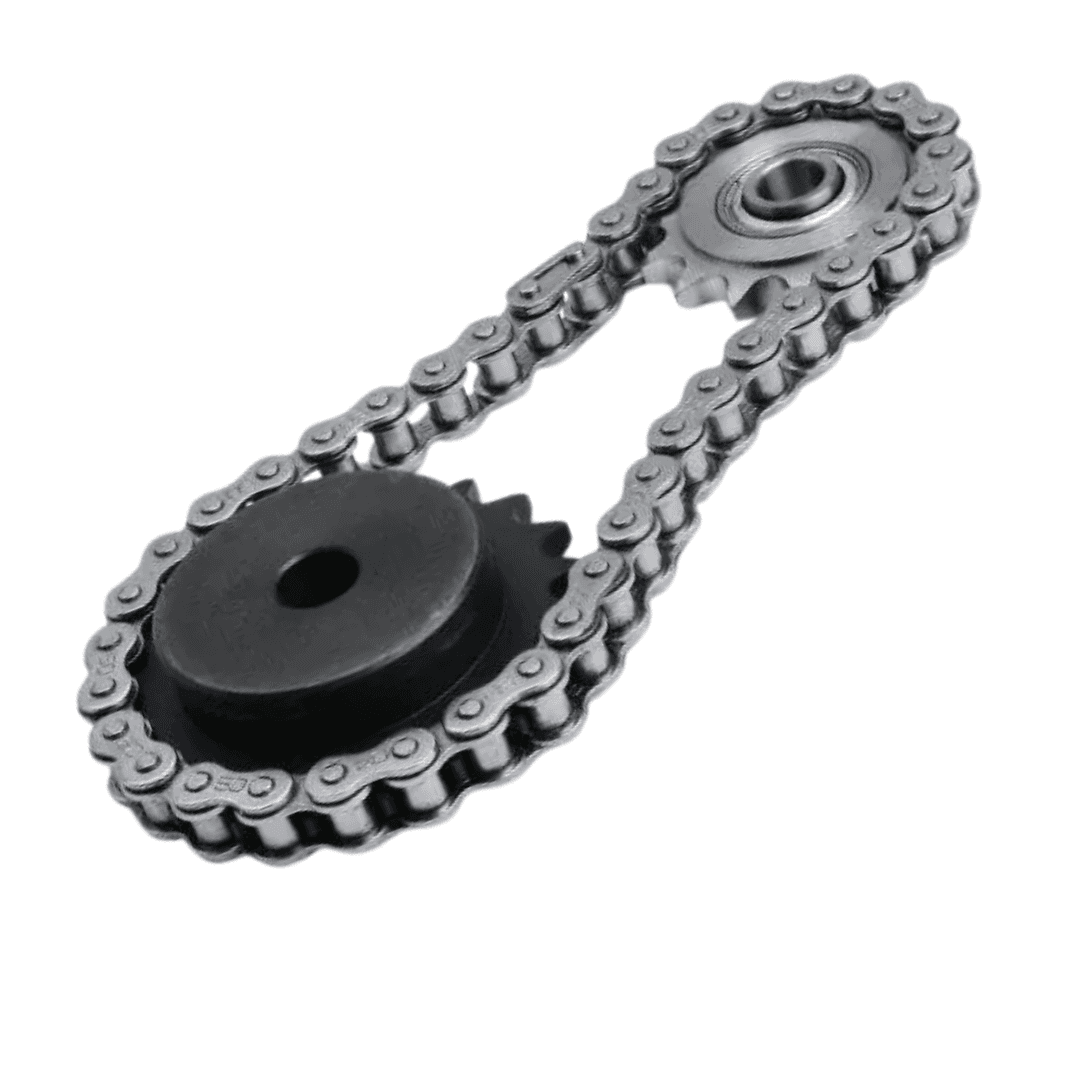
A chain wheel and a sprocket are the same mechanical component. There is no technical difference between the two terms—both refer to a toothed wheel that engages with a roller chain to transmit motion and power between shafts. The difference is purely one of language and regional terminology.
Why Are There Two Names for the Same Component?
The term “sprocket” is of English origin and is the terminology used in catalogs from North American manufacturers such as MARTIN Sprocket & Gear, the ANSI B29.1 standard, and most technical documentation in English. It is also the term commonly found in import invoices, part numbers, and technical communication with international suppliers. The term “catarina” is the Spanish designation commonly used in Mexico, Central America, and parts of South America. It is the term used by plant engineers and technicians, Spanish-language maintenance manuals, and everyday technical communication within the Mexican industrial sector. When a Mexican technician requests a catarina and the manufacturer's catalog lists sprockets, they are referring to the same component. Understanding both terms is essential for effective communication with suppliers, manufacturers, and technical documents from different regions.
Real Differences That Actually Matter in Selection
Real Differences That Matter in Selection Although catarina and sprocket refer to the same component, there are technical distinctions within the world of industrial toothed wheels that do affect selection: Chain sprocket vs. gear: A sprocket engages with a roller chain, while a gear meshes directly with another gear. They are different components based on different operating principles. Sprocket vs. pulley: A sprocket works with a chain (positive engagement, no slippage), while a pulley works with a belt (friction-based transmission with the possibility of slip). They are not interchangeable. Sprocket vs. automotive timing sprocket: Internal combustion engines use timing sprockets to drive the engine timing chain. These components follow the same mechanical principle as an industrial sprocket, but their dimensions and tolerances are specific to each engine model and they are not considered general industrial transmission components.
How to Properly Request a Sprocket or Chain Wheel from BIOSA
To quote or order a sprocket or chain wheel, the following specifications are required to fully identify the component: Chain pitch it operates with (ANSI #40, #50, #60, etc., or equivalent ISO size). Number of teeth. Number of strands (single, double, or triple). Hub type and bore diameter (or the taper bushing part number if applicable). Material (steel, cast iron, or technical plastic). With these five specifications, the BIOSA technical team can identify the exact MARTIN catalog part number or verify whether the installed component from another brand has an available equivalent.