

How to Select a Gearmotor by Power, Torque, and RPM
Selecting a gearmotor is not about choosing the largest one available. This is the technical procedure we use at BIOSA to specify the correct equipment.
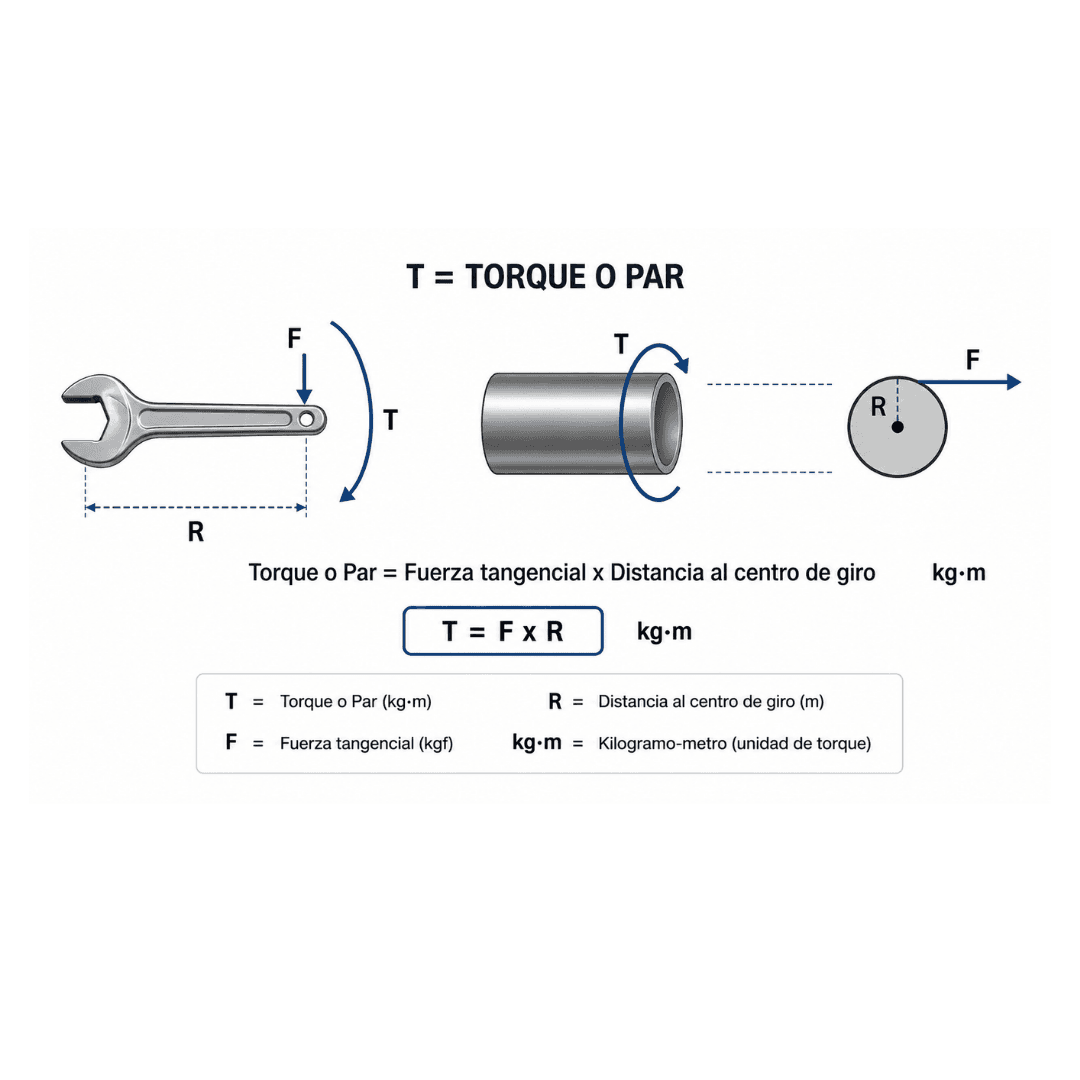
Step 1: Define the required output speed (n2) Determine the RPM rotation speed required by the output shaft to operate the equipment correctly. This value is defined by the design of the driven machine, not by the gearmotor. Step 2: Calculate the required torque (Mr2) Determine the torque required by the application at the output shaft, expressed in Newton meters. This value depends on the physical load the equipment must move: weight, friction, inertia, and process resistance. Step 3: Determine the service factor (SF) Identify the type of load of your machine (A, B, or C), the daily operating time, and the number of starts per hour. Use this information to define the actual service factor that the gearmotor must withstand. Step 4: Calculate the required input power (Pr1) Using the required torque, output speed, and dynamic efficiency of the reducer type being evaluated, calculate the input power using the formula: Pr1 = (Mr2 × n2) / (9550 × dynamic efficiency) Step 5: Select the gearmotor from catalog tables Search the manufacturer’s performance tables for a gearmotor with a rated power Pn1 equal to or greater than the required power Pr1, with an output speed as close as possible to the desired n2, and with a service factor equal to or greater than the one calculated in step 3. Step 6: Confirm the flange and shaft diameter Verify that the reducer input flange matches your motor standard (NEMA or IEC) and that the output shaft has the required diameter and orientation for your equipment before confirming the final order.