

How to Install an Industrial Coupling: Step-by-Step Guide
A proper coupling installation plays a major role in determining its service life and overall reliability. Following the correct installation procedure helps prevent premature wear, excessive vibration, and unexpected failures. This guide outlines the recommended steps for installing an industrial coupling correctly.
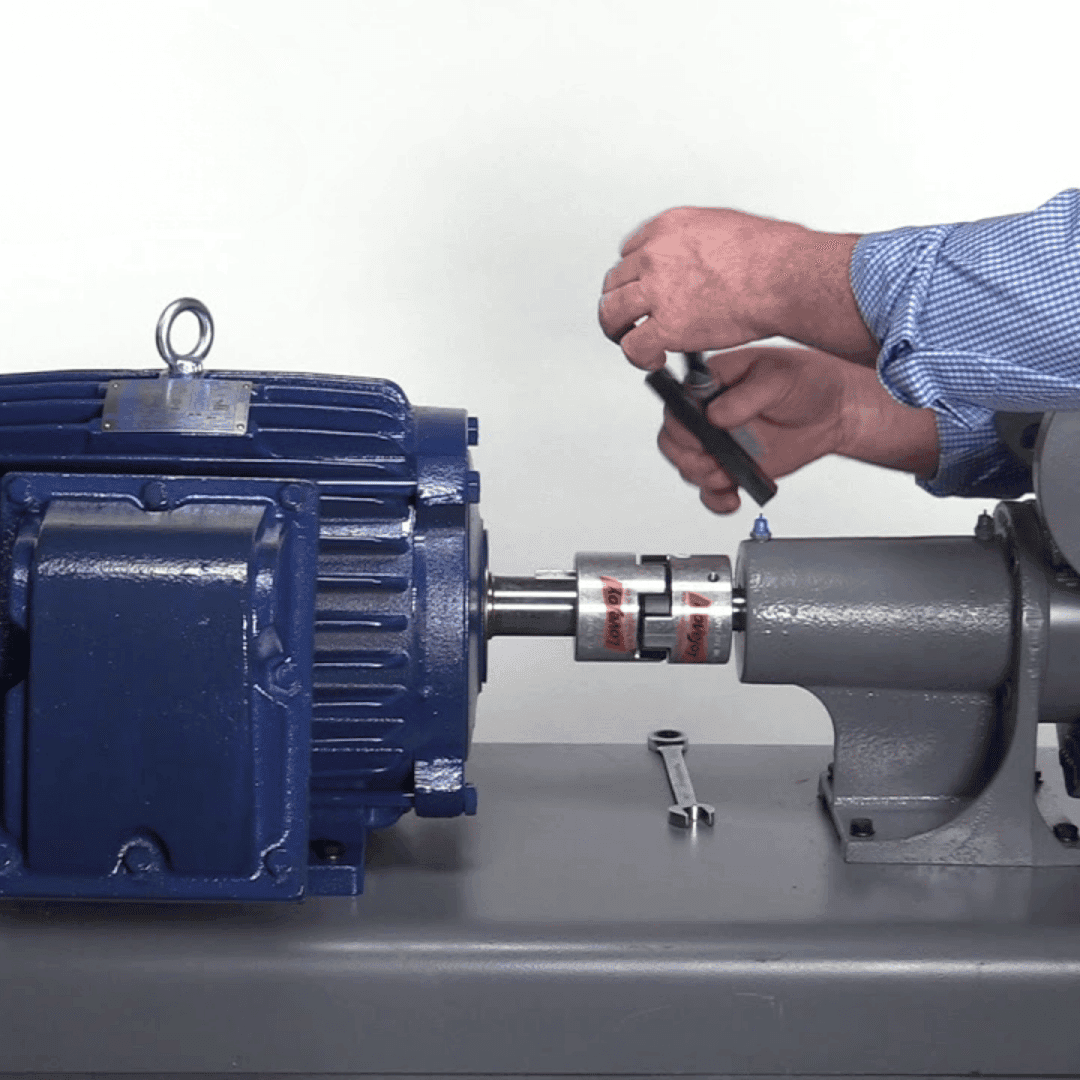
Industrial Coupling Installation Procedure
Clean the shafts and verify that the shaft diameter matches the coupling hub bore. Ensure the shafts are free of burrs, rust, and other contaminants before installation. Mount each hub onto its corresponding shaft, using a key if required by the coupling design. Leave the hub separation (gap) specified in the coupling's technical datasheet. Tighten the set screw or other shaft locking mechanism to the manufacturer's specified tightening torque. Do not exceed the recommended value, as overtightening can damage the threads or the hub. Verify shaft alignment by checking both angular and parallel misalignment with a dial indicator or laser alignment system. Adjust the position of the motor or the driven equipment as necessary. Install the transmission element—such as the elastomer spider, grid, or disc pack—between the hubs, following the manufacturer's recommended assembly sequence for that specific coupling type. Install the safety guard over the coupling before energizing the equipment, ensuring compliance with the applicable industrial safety standards. Perform a no-load test run and verify that there is no abnormal vibration, noise, or excessive heat before placing the equipment into full-load operation.
Common Installation Mistakes to Avoid
The most common installation mistake is mounting the coupling before verifying shaft alignment, assuming that the coupling will compensate for any misalignment. While a flexible coupling can accommodate a limited amount of angular, parallel, and axial misalignment, it is not designed to permanently correct poor machine alignment. For a more detailed explanation of common installation errors and how to prevent them, see our dedicated blog on industrial coupling installation mistakes.