

Industrial Couplings by Industry: How to Choose the Right One for Your Application
Each industry has different requirements for torque, hygiene, and environmental resistance. This guide provides an overview of which type of coupling is best suited for your specific industrial application.
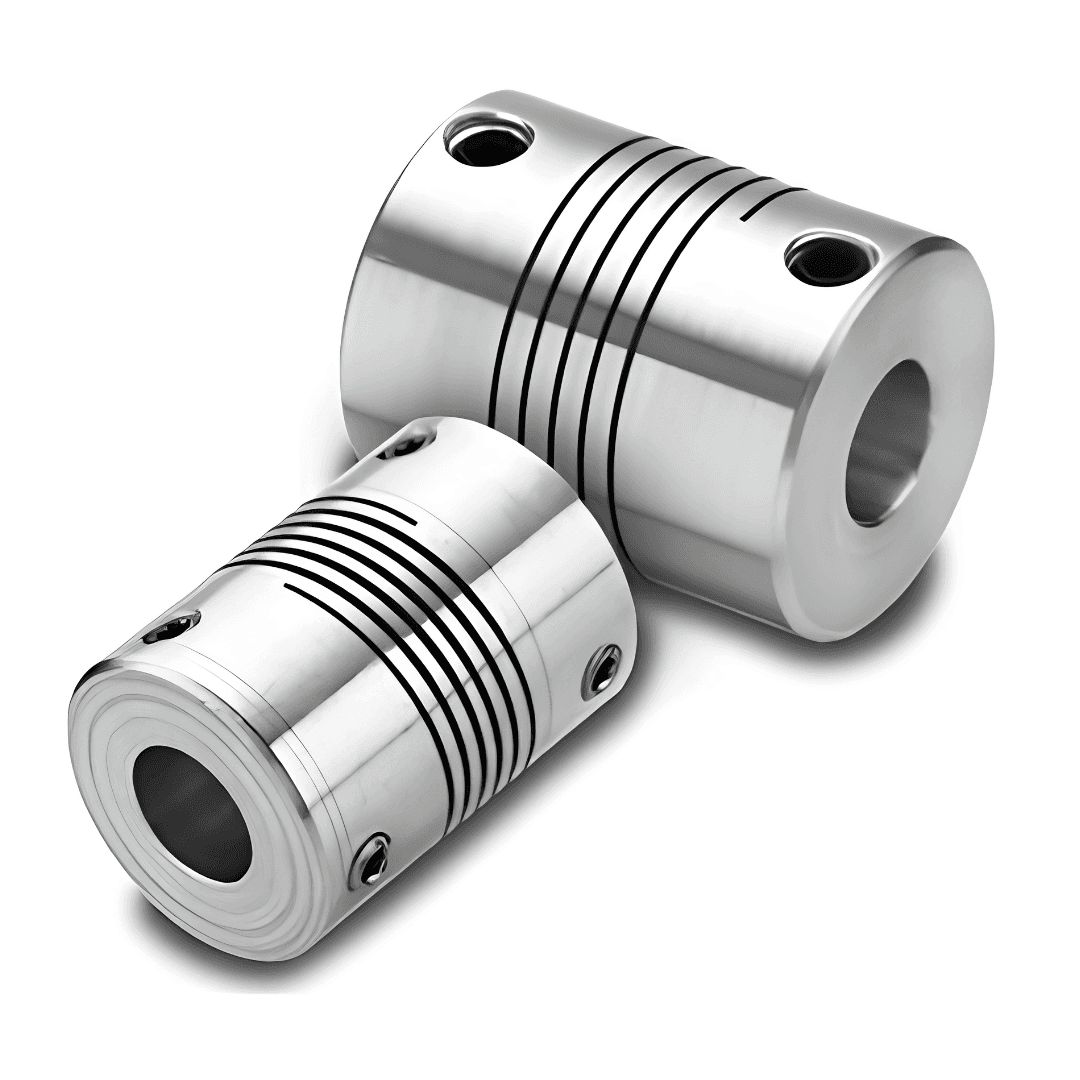
Food and Pharmaceutical Industry
In these industries, couplings must withstand frequent washdowns with water and cleaning chemicals, making stainless steel hubs and elastomers suitable for indirect food contact the preferred choice. Ease of cleaning is also an important factor when selecting the coupling design.
Mining and Heavy Industry
Frequent shock loads and high torque make grid couplings and gear couplings the preferred choice in this industry, where the ability to absorb torque peaks takes priority over the initial cost of the component.
Automotive and General Manufacturing
In assembly lines and manufacturing machinery, jaw couplings are the most common choice due to their balance of cost, simple maintenance, and sufficient capacity for most low- to medium-torque applications. Backlash-free couplings are typically used in precision stations and robotic applications.
Pumping and Fluid Handling
In centrifugal pumps, the priority is to accommodate shaft misalignment without transmitting excessive loads to the mechanical seals. For this reason, flexible jaw couplings and disc couplings are the most commonly used options, depending on the operating speed of the system.
Agribusiness
Harvesting equipment and grain processing machinery operate in environments with dust and abrasive particles, where a coupling with a proper safety guard and low maintenance requirements, such as an aluminum coupling or a jaw coupling, helps reduce field service time.