

TITLE 1Jaw Coupling vs. Grid Coupling
Jaw and grid couplings are two of the most widely used flexible couplings in industrial power transmission, but they are not interchangeable. Each is designed for different operating conditions, and understanding their differences is essential to selecting the right coupling for your application.
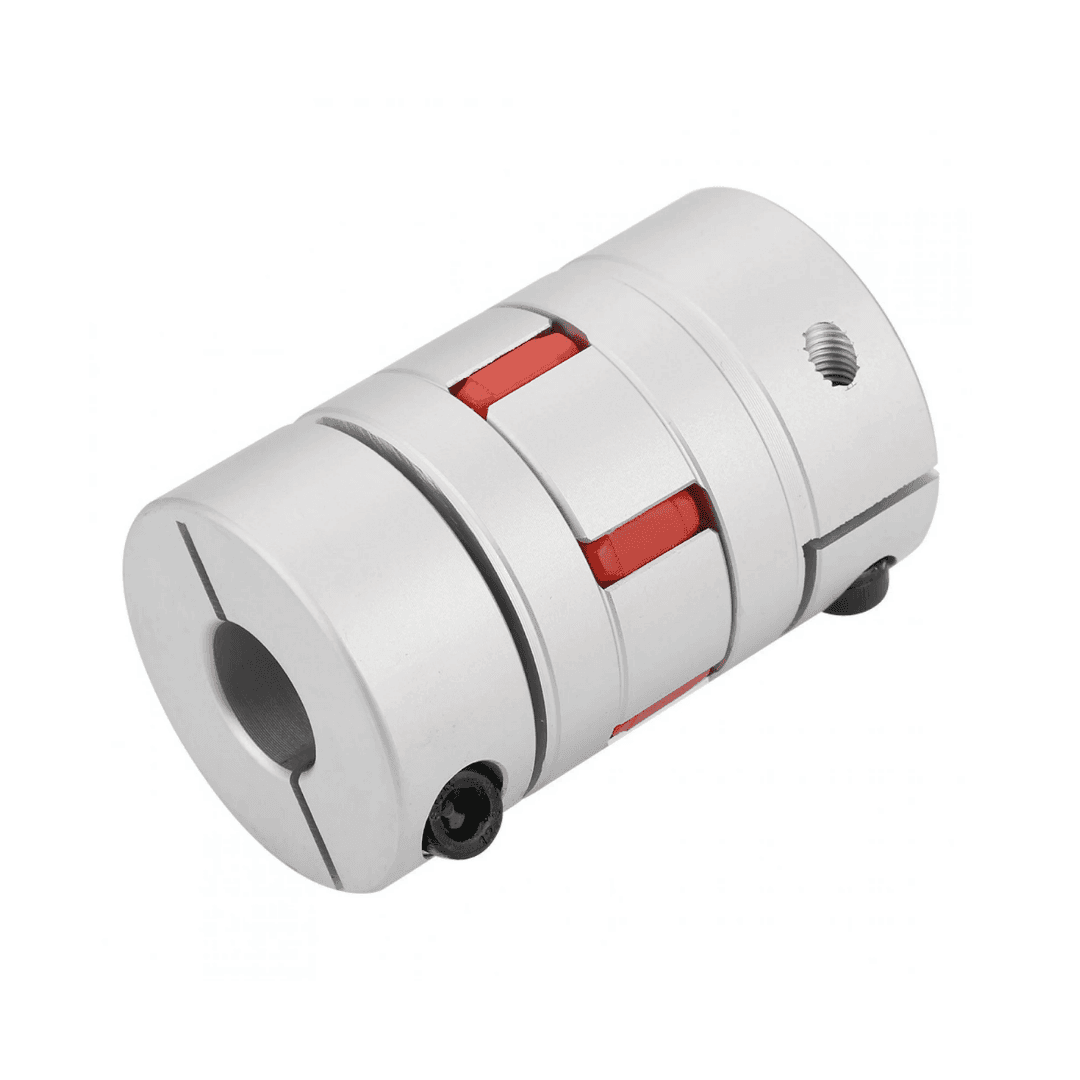
Jaw Coupling
A jaw coupling consists of two jaw-shaped hubs connected by a central elastomer insert, commonly known as a spider. It is the most widely used coupling in industrial applications due to its low cost, easy installation, and simple maintenance. One of its main advantages is that the spider can be replaced without removing the hubs from the shafts, significantly reducing maintenance time. Its primary limitation is torque capacity, which is generally lower than that of a grid coupling of the same size. In addition, the elastomer insert can deteriorate over time when exposed to high temperatures, oil, or aggressive chemicals, making jaw couplings less suitable for harsh operating environments.
Grid Coupling
A grid coupling uses a flexible steel grid instead of a rubber elastomer to transmit torque. This design enables it to handle higher torque loads and higher operating temperatures than a jaw coupling of the same size. It is commonly used in mining, mills, conveyors, and other heavy-duty industrial equipment where shock loads and demanding operating conditions are common. In exchange for this higher performance, grid couplings require periodic lubrication of the steel grid, unlike jaw couplings, which are maintenance-free in this regard. Routine maintenance also involves removing the protective cover to inspect, lubricate, or replace the grid element as needed.
When to Choose Each Type
Choose a jaw coupling for pumps, fans, electric motors, and other low- to medium-torque applications where simple maintenance, low cost, and quick elastomer replacement are priorities. Choose a grid coupling for mining equipment, mills, crushers, and other heavy-duty applications that experience frequent shock loads or require torque levels beyond the practical capacity of a jaw coupling.