

5 Signs Your Coupling Needs to Be Replaced
Identifying coupling wear early helps prevent unplanned production downtime. Here are the five most common signs that indicate your industrial coupling should be replaced.
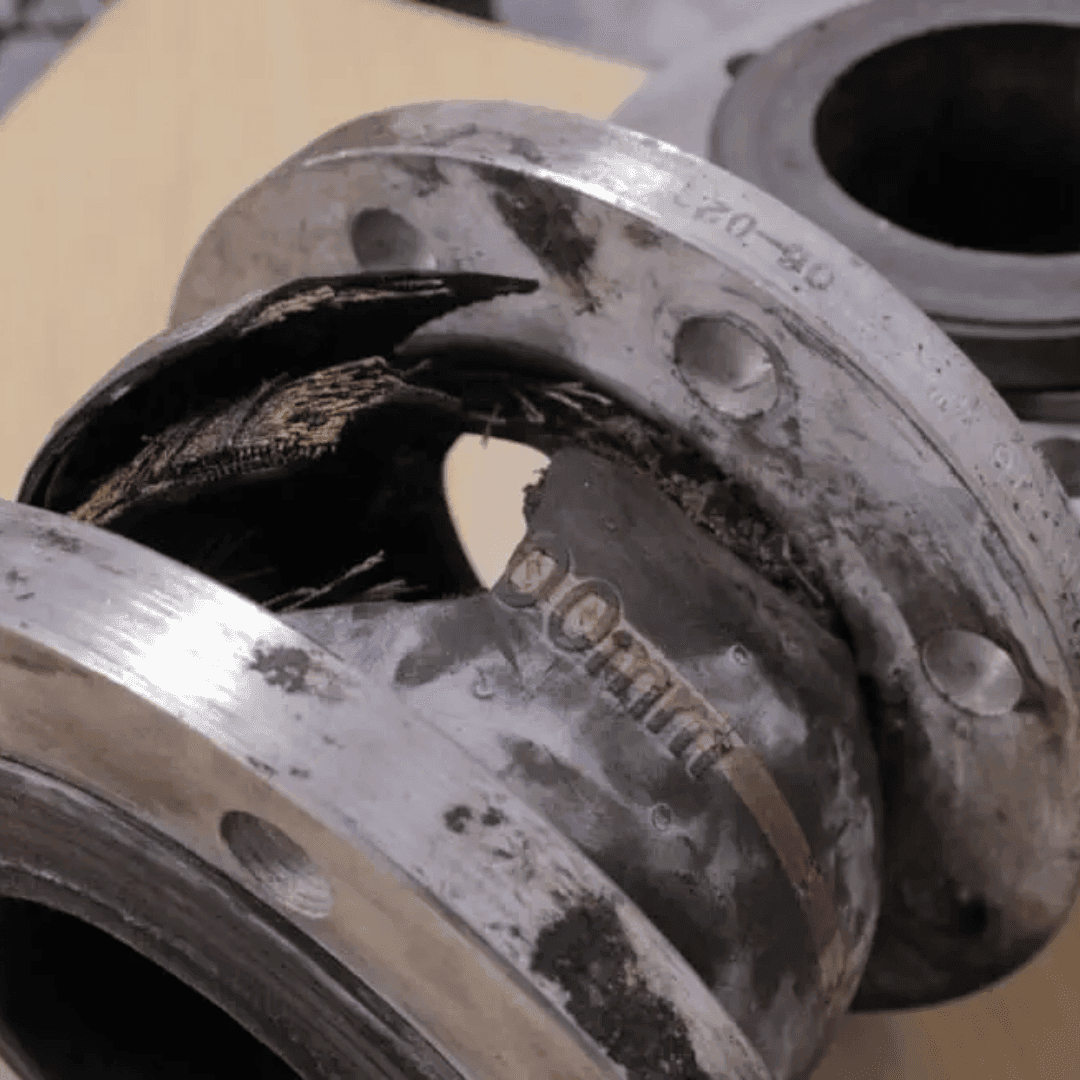
1. Excessive Vibration in the System
A noticeable increase in vibration in the motor or driven equipment that was not previously present often indicates that the flexible element of the coupling has lost its ability to absorb rotational forces. This is particularly common in jaw couplings, where the elastomer insert (spider) begins to crack or deteriorate over time.
2. Unusual Noise During Operation
A rhythmic knocking, rattling, or clunking noise synchronized with the shaft's rotational speed typically indicates excessive play between the hub and the coupling's torque-transmitting element. As wear progresses, this noise usually becomes more frequent and more pronounced.
3. Visible Elastomer Fragments
In jaw couplings, finding small pieces of the elastomer spider around the coupling during an inspection is a clear indication that the elastomer insert has reached the end of its service life. It should be replaced before it fails completely to avoid unplanned downtime and potential damage to other drivetrain components.
4. Bearing Overheating Near the Coupling
If the motor bearings or driven equipment bearings are operating at higher-than-normal temperatures without any other apparent cause, the coupling may be transmitting misalignment loads that it is no longer able to absorb. This additional stress can accelerate bearing wear and reduce the overall reliability of the power transmission system.
5. Excessive Play or Movement Between the Hubs
With the equipment shut down, manually rotating the shaft of a coupling in good condition should reveal little to no free play between the hubs. If you notice excessive rotational play before torque is transmitted to the opposite shaft, it is a clear indication that the coupling should be inspected thoroughly for wear or damage.